
Bad Back After Car Accident
A bad back after an accident can raise your insurance costs, but how much depends on who was at fault and how the injury is documented.
Free to compare
It depends on fault and documentation, not just the injury itself
Having a bad back after a car accident doesn't by itself set your insurance rate. What matters to an insurer is whether you were at fault for the crash, how the claim was recorded, and whether your medical treatment is documented in a way that supports a claim.
If the other driver was at fault and their insurer pays for your treatment, your own rate usually isn't affected by the injury. If you were at fault, or partly at fault, the injury can add to the cost of the claim against your own policy, and that claim is what affects your renewal, not the back pain on its own.

Who was found at fault changes everything
If a police report or an insurance investigation places fault on the other driver, your injury becomes part of a claim against their policy. That claim, even a large one, typically doesn't follow you to your own insurer or show up on your own record.
If fault is shared or unclear, your insurer may open its own claim to cover your treatment, and that claim can factor into your renewal. This is more likely in states where fault is split by percentage rather than assigned to one driver.
Ask your insurer directly how the claim was coded, as the at-fault party's claim or your own. That distinction matters more to your future premium than the injury itself.
If you haven't already, get a copy of the police report and keep it. It's often the main document that determines how fault was assigned.
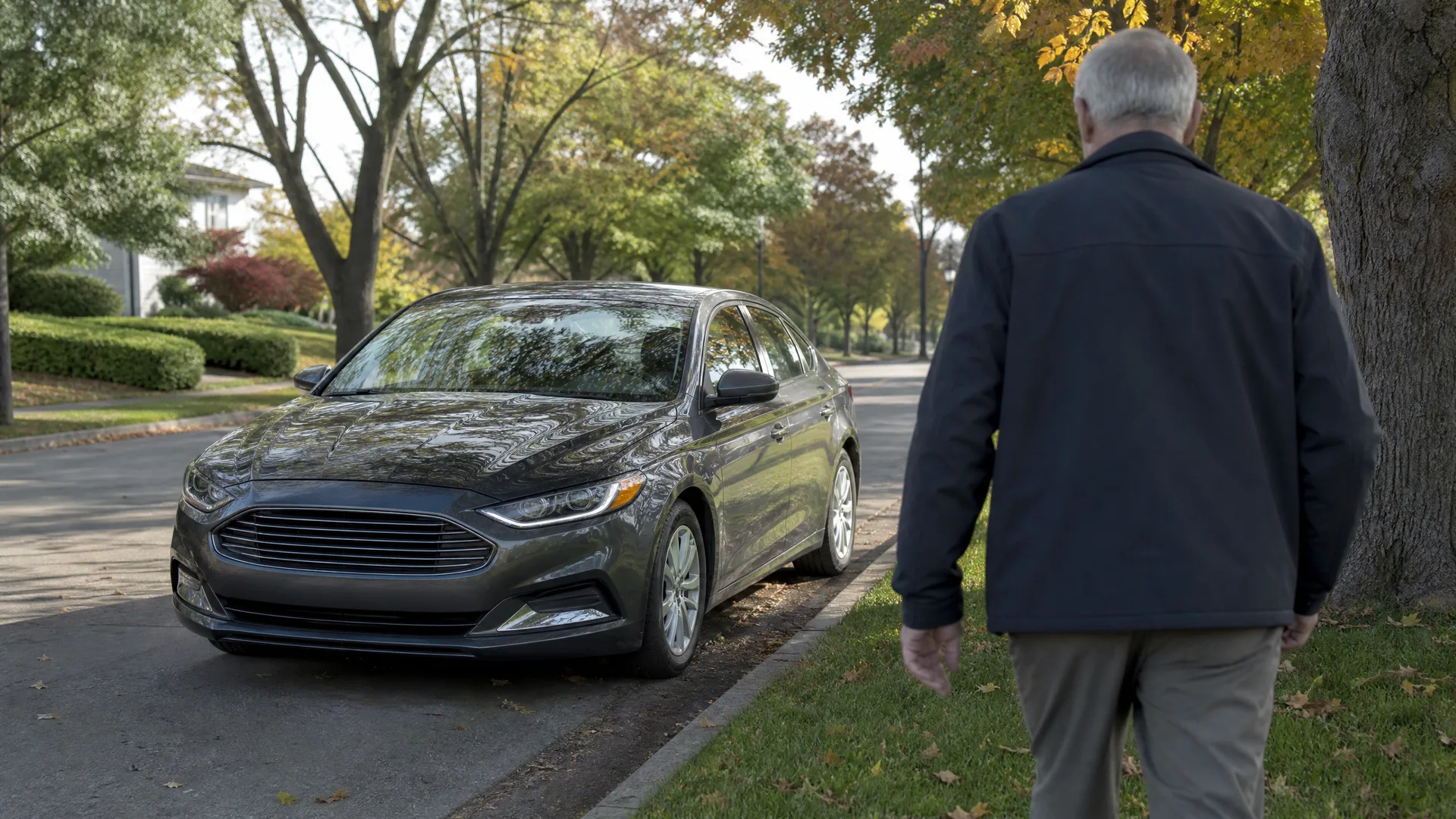
How the injury is documented matters as much as the injury
A back injury that shows up in medical records soon after the crash is treated differently than one reported weeks later. Insurers and claims adjusters look at timing because it's hard to separate a new injury from an old one without it.
See a doctor and get the visit documented even if the pain seems minor at first. A paper trail that starts the day of the accident, or soon after, is what supports a claim later if the pain continues or gets worse.
Keep every bill, referral, and note from physical therapy or specialists. If you end up disputing fault or the size of a settlement, this record is what your case rests on.
If your state requires you to report the accident to the DMV separately from the insurance claim, do that too. A missing report can complicate things even when the insurance side is handled correctly.
Questions people ask about this
Can I still drive with a bad back after an accident?
That depends on your doctor's assessment, not your insurer. If pain or limited mobility affects your ability to control the car safely, your doctor may advise against driving until it improves. This is a medical decision, not an insurance one.
Will my insurance go up if I file a claim for my back injury?
It depends on whether the claim is filed against your policy or the other driver's. If you were at fault, filing a claim for your own medical treatment can affect your renewal. If the other driver was at fault, it's their insurer who typically pays and your own rate isn't usually involved.
Do I need a lawyer for a back injury claim after a car accident?
That depends on how serious the injury is and whether fault is disputed. Insurers settle many injury claims directly, but a lawyer may be worth consulting if the other insurer denies the claim or the settlement offered doesn't cover your treatment.
How long do I have to report a back injury from a car accident?
This is set by your state and by your insurance policy, so check both. Many policies require prompt notice of an injury even if symptoms appear later, so don't wait for pain to worsen before reporting it.
Does a bad back from an old accident affect a new insurance claim?
It can complicate things, because insurers may question whether a new accident caused the injury or aggravated an old one. Medical records that clearly separate the two incidents are what settle this kind of dispute.
If a claim is coming, it helps to know what a fresh quote looks like before your renewal arrives.
Get a copy of the police report if one was filed, and request your own insurer's claim notes to see how the accident was coded. See a doctor soon if you haven't already, and keep every bill and note from that visit onward. Ask your insurer in plain terms whether the claim affecting your back is being treated as yours or the other driver's. If fault is disputed or unclear, ask what evidence would change that determination. Once you know how the claim is being handled, compare quotes from a few insurers so you're not caught off guard at renewal.