
Can a Driving Course Help After an Accident
A course can soften the effect of an accident on your rate, but it won't erase the accident itself.
Free to compare
It depends on what the accident already did to your rate
A driving course can help, but it works alongside the accident, not instead of it. If the accident already pushed you into a higher rate, the course discount gets applied on top of that higher rate. It brings the number down a little. It doesn't undo the increase.
Whether it helps at all depends on your insurer. Some apply the course discount regardless of recent accidents. Others reduce or remove the discount once you have a claim on your record. Ask your insurer directly whether the discount still applies after an accident, and whether finishing the course now would show up before your next renewal.
Whether your insurer recalculates mid-term or waits for renewal
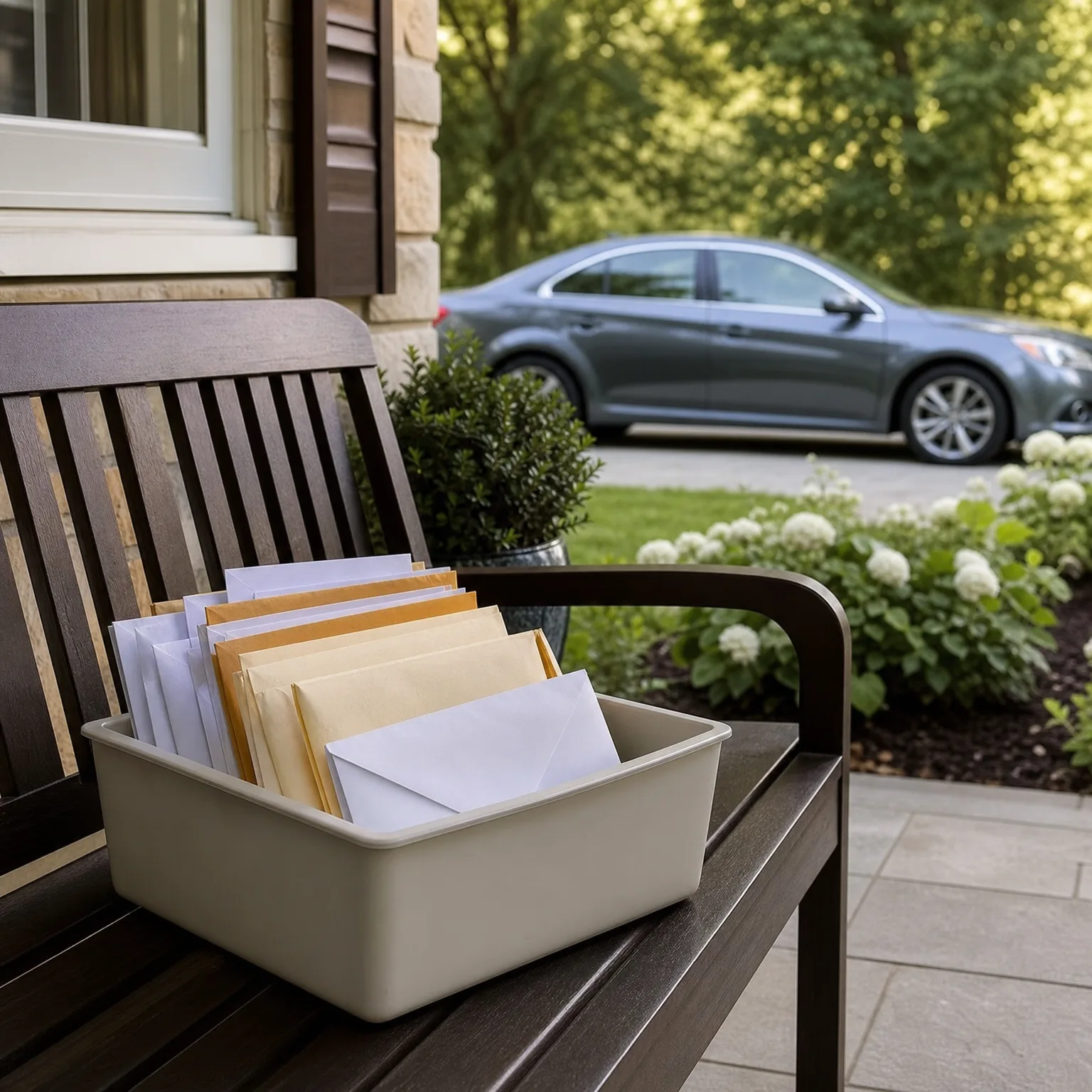
Finishing the course doesn't change your premium by itself. Your insurer has to apply it, and most won't do that until your policy renews. If you take the course right after an accident, the discount usually sits on file until the renewal date, not the day you finish.
Some insurers will recalculate mid-term if you ask, especially if the accident and the course happened close together. That's worth asking about directly, because it can matter if your renewal is months away.
Send the certificate as soon as you get it. Don't assume the insurer already has it or will look for it. The course only helps if someone at the company enters it into your file.
If you're shopping for a new policy instead of staying with your current insurer, have the certificate ready before you request quotes. A new insurer can weigh the course discount against the accident at the same time, rather than you waiting for your old insurer to apply it later.
What kind of accident it was
Insurers treat accidents differently depending on fault and severity, and that affects how much a course discount can offset. A minor, no-fault accident moves your rate less to begin with, so a course discount has more room to make a real difference.
A serious or at-fault accident moves your rate more, and some insurers cap how much any discount can reduce that increase. The course still helps, but the size of the help shrinks as the accident gets more serious.
If you've had more than one accident recently, ask your insurer whether the course discount still applies, or whether you've moved into a category where it no longer does. Some insurers have a point at which other factors take over and the discount stops making a visible difference.
Questions people ask about this
Does the course have to be approved by my state to count?
Usually, yes. Insurers generally only credit courses approved by your state's DMV or insurance department. Check with your state or your insurer before you pay for a course, so you know it will actually count.
Will my insurer tell me if a course would lower my rate after an accident?
Not unless you ask. Insurers don't usually reach out to suggest a discount. Call and ask directly whether completing a course would reduce your rate given your current record.
Can I take the course before the accident is finalized on my record?
Yes, you can take it any time. The accident typically shows up on your record once the claim closes, and the course discount can be filed with your insurer independently of that timing.
Does an online course count the same as an in-person one?
It depends on your state and your insurer. Some accept online courses fully, others only accept in-person ones, and some treat them the same. Check with your state's DMV and your insurer before enrolling.
Will taking the course again after a second accident help as much as the first time?
Not always. Some insurers only apply the discount once within a set period, regardless of how many times you retake the course. Ask your insurer whether a repeat course still earns a new discount.
See how different insurers weigh a completed course against your driving record.

Call your insurer this week and ask two things: whether the course discount still applies given your recent accident, and whether they'll recalculate your rate mid-term or only at renewal. Have your policy number and the accident claim number on hand. If you haven't taken a course yet, confirm with your state or your insurer which courses they'll accept before you pay for one. Once you finish, send the certificate directly to your insurer rather than assuming it will be found automatically. If your current insurer gives little credit for the course, compare quotes from other insurers using the course certificate and your current policy details, since a new insurer may weigh the two differently.