Can You Claim Car Accident Without Police Report
Most insurers will take your claim without a police report, but you'll need other proof of what happened.
Free to compare
Yes, in most cases you can file without one
A police report helps, but it isn't the only way to prove a claim. Insurers also look at photos, witness statements, repair estimates, and what you and the other driver wrote down at the scene. If you have those, a missing report usually won't stop your claim from moving forward.
What changes this is your state and your insurer. Some states require a report for accidents above a certain severity, and some insurers ask for one as a matter of policy even when the state doesn't. Call your agent and ask directly whether your claim needs a report before you assume it does.
Whether your state requires a report for this kind of accident
States set their own rules about when a crash has to be reported to police, usually based on injury, death, or damage above a certain threshold. Below that threshold, many states don't require a report at all, and insurers in those states are used to handling claims without one.
If your accident falls under the threshold, you may not have had a legal duty to call police in the first place. That doesn't mean you can't still file a claim. It means your state never expected a report to exist for a crash like yours.
Check your state's DMV site or ask your insurance agent what the reporting threshold is where you live. If your crash was below it, say so when you file, so the adjuster isn't waiting on paperwork that was never required.
What you have instead of a report
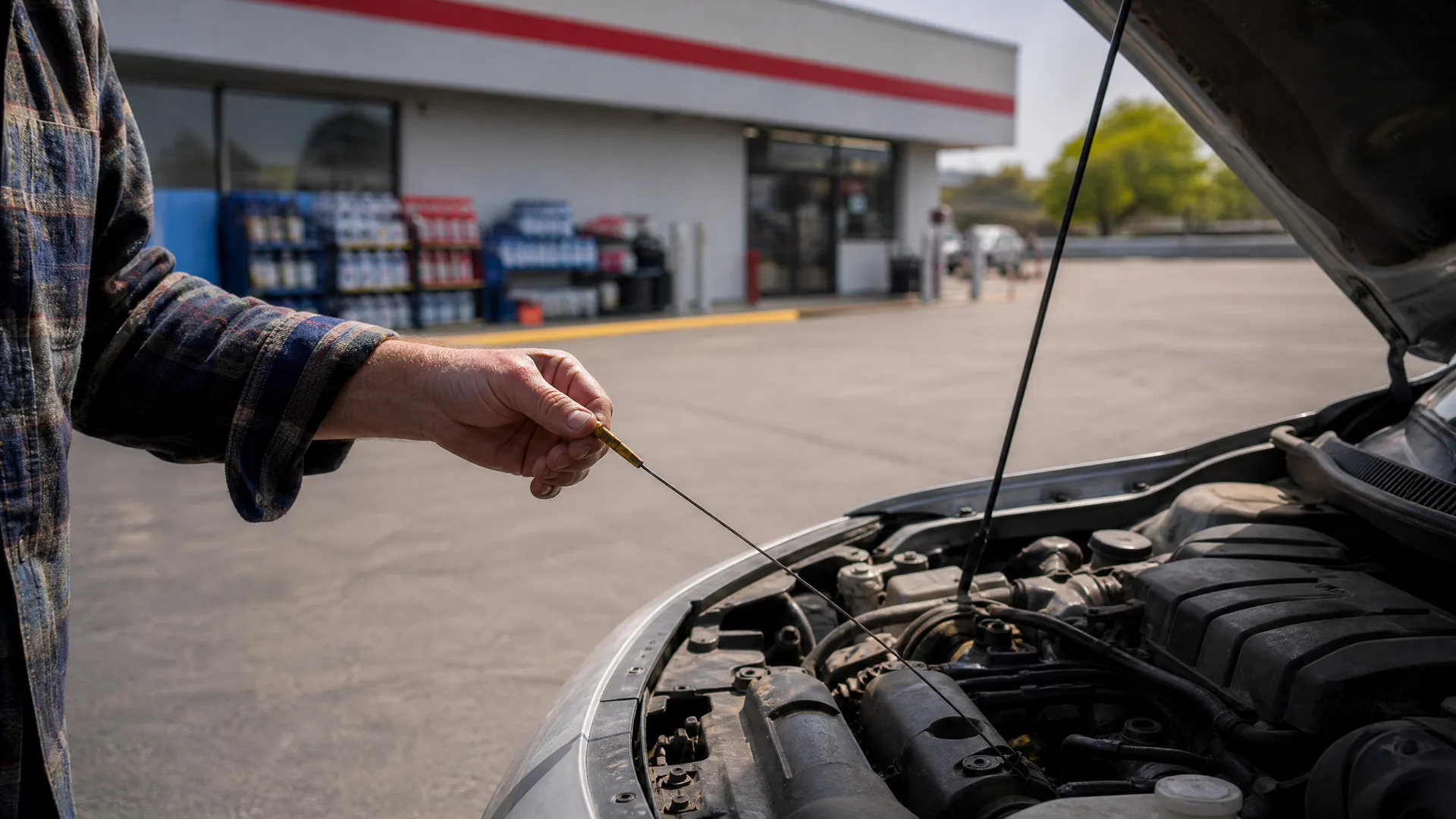
Insurers process the claim, not the police. What they actually need is enough to establish what happened and who was responsible. Photos of the vehicles, the other driver's insurance and contact information, and a written account from you while the details are fresh all do that job.
A lot of claims get delayed not because a report was missing, but because nothing else was collected either. If you have none of this, the claim can still move forward, but it leans more heavily on your account against the other driver's, and that's a weaker position if they dispute fault.
If you're filing without a report, write down what happened as soon as you can, including the other driver's plate number, their insurer, and anyone who saw it happen. Send that to your insurer along with any photos you took.
Questions people ask about this
What happens if the other driver denies the accident happened?
Your insurer will investigate using whatever evidence exists on both sides, including photos, repair estimates, and witness accounts. Without a police report, this comes down to which account the evidence supports. This is why photos and witness contact information matter more when there's no report to point to.
Can I file a late police report after the accident?
Many police departments will take a report after the fact, especially if you call the non-emergency line and explain the delay. Whether it still counts for insurance purposes depends on your insurer and how much time has passed. Ask your insurer first whether a late report would even help your specific claim.
Will my insurance rates go up if I file without a police report?
A rate increase after a claim depends on fault and your insurer's own rules, not on whether a report exists. If you're found at fault, your rate can be affected whether or not police were involved. Ask your agent how your insurer handles fault determination in reportless claims.
Does the other driver's insurance need a police report to pay out?
Not necessarily. Their insurer will also look at the same kind of evidence, photos, estimates, and statements, to decide whether to pay your claim. A report can make their review faster, but its absence doesn't automatically mean denial. Ask their claims adjuster directly what they need from you.
Should I still call the police after a minor accident?
Calling is worth it when you're unsure whether the damage or any injury meets your state's reporting threshold, since an officer can make that call for you. Even a brief report creates an official record that can simplify things later. If the accident was clearly minor and both drivers agree on what happened, many people exchange information and move on instead.
See what other drivers in your situation are paying before your renewal comes due.
Call your insurer this week and ask directly whether your claim requires a police report, since this varies by company and by state. While you have them on the phone, ask what else they need, such as photos, repair estimates, or a written statement. Gather the other driver's insurance information, plate number, and contact details if you haven't already, along with contact information for anyone who saw the accident. Write down your own account of what happened while it's still fresh, including the date, time, and location. If your state requires a report for accidents like yours, ask your local police department's non-emergency line whether a late report is still possible.