Car Accident Claims for Seniors in Arkansas
The claims process works the same at any age, but how you document the accident and talk to the adjuster can affect what you're offered.
Free to compare
The process is the same, but how you handle it matters more
Arkansas doesn't treat a senior's accident claim differently on paper. You report the accident, exchange information, notify your insurer, and the at-fault driver's insurer evaluates the claim under Arkansas's fault rules. Age isn't a factor in how the claim is processed.
What changes is how insurers sometimes treat older claimants in practice, especially around injury claims and how quickly someone is expected to recover. A clear, well-documented claim protects you regardless of your age, and it matters more if an adjuster is making assumptions about you.

Arkansas is a fault state, and that shapes everything
Arkansas uses a modified comparative fault system. If you're found partly responsible for the accident, your payout can be reduced by your share of the fault, and if you're found more at fault than the other driver, you may not recover anything. This makes the police report and your own account of what happened central to the claim.
Call the police to the scene even for a minor accident. A report creates a neutral record of what happened before memories fade or stories shift. Without one, the claim often comes down to your word against the other driver's.
If you're not sure how fault will be assessed in your situation, that's a question for your insurer or an attorney, not something to guess at. Fault determinations can turn on details that aren't obvious at the scene, like traffic signal timing or right-of-way rules specific to the intersection.
How you document the accident affects the outcome
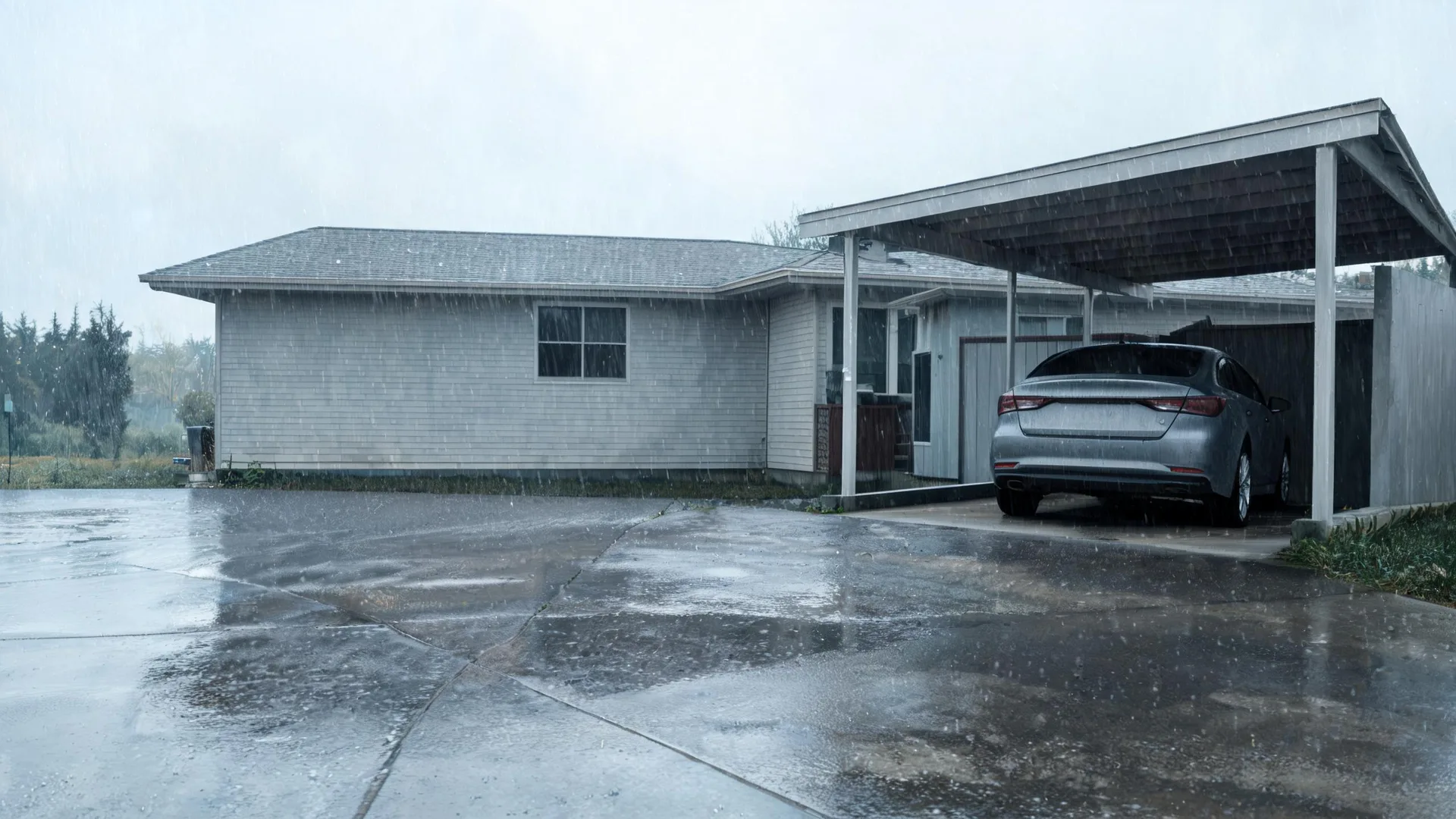
Adjusters decide claims based on evidence, not sympathy. Photos of the vehicles, the road, and any visible damage help later even if the accident seems straightforward at the time. Get the other driver's name, insurance information, and license plate, and get contact information for any witnesses before they leave.
If you're injured, see a doctor promptly and keep records of every visit. Gaps in treatment or delayed care can be used to argue the injury wasn't serious or wasn't caused by the accident. This matters for drivers of any age, but insurers sometimes scrutinize injury claims from older drivers more closely, assuming prior conditions are the real cause.
Write down what happened while it's fresh, including the time, weather, and anything the other driver said at the scene. If the claim is contested later, your own notes from that day carry weight that a memory from months later doesn't.
Questions people ask about this
Should I talk to the other driver's insurance company after an accident?
You're not required to give a recorded statement to the other driver's insurer, and it's reasonable to decline until you've spoken with your own insurer. Anything you say can be used to assign fault or minimize your claim. Stick to basic facts and avoid guessing about details you're not sure of.
How long do I have to file a car accident claim in Arkansas?
Arkansas sets a deadline for filing a lawsuit over accident injuries or property damage, and it's set by state law rather than by any insurer. Check with the Arkansas court system or an attorney for the current deadline that applies to your situation, since waiting too long can mean losing the right to recover anything.
Will my insurance rate go up after an accident that wasn't my fault?
In most cases, an accident that's clearly the other driver's fault shouldn't raise your rate, but this depends on your insurer's specific policy. Ask your insurer directly how they handle not-at-fault accidents, since practices vary between companies.
Do I need a lawyer for a minor car accident claim?
Not always. For a straightforward claim with clear fault and minor damage, you can often handle it directly with the insurer. A lawyer becomes worth considering if there's a significant injury, a dispute over fault, or if the insurer is offering less than your medical bills and repair costs.
What if the other driver doesn't have insurance?
If the at-fault driver is uninsured or underinsured, your own policy may cover the gap if you carry uninsured motorist coverage, which Arkansas insurers are required to offer. Check your policy to see whether you carry this coverage and what it includes before assuming you have no recourse.
See what other drivers in Arkansas are paying so you know if your rate still makes sense after a claim.
Write down everything you remember about the accident while it's still fresh, including time, location, and what was said at the scene. Gather the police report number, the other driver's insurance details, and any photos you took. Call your own insurer to report the accident even if you weren't at fault, and ask them directly how the claim process works and what they need from you. If you were injured, see a doctor and keep every record of treatment. Once the claim is settled, compare quotes to see whether your current rate still reflects what you're actually paying for.