
Car Accident Claims for Seniors in New Hampshire
The claims process is the same at any age, but a few things about how you report and document the accident can change how it goes.
Free to compare
The process works the same, but a few habits make it go smoother
New Hampshire doesn't have a separate claims process for older drivers. You report the accident, the insurers involved investigate, and fault gets determined based on the evidence and the state's rules. Your age doesn't change any of that on paper.
What does change is how the claim can go if you're not careful early on. Insurers sometimes look harder at statements from older drivers, ask more questions about health or eyesight, or push for a quick recorded statement before you've had time to think it through. None of that means you did anything wrong. It means you should slow down and be as clear and complete as you can from the start.

How you document the accident matters more than your age does
The strength of a claim usually comes down to what gets written down right after the accident. Call the police and get a report filed, even if the damage looks minor. Take photos of both vehicles, the road, and anything else that shows how the accident happened.
If the other driver or their insurer asks for a recorded statement, you don't have to give one on the spot. You can say you'll call back once you've looked at the accident report and spoken with your own insurer. Saying less at first and adding detail later, once you're sure of it, protects you better than guessing at details while you're still shaken up.
If you were hurt, see a doctor even if you feel fine. Some injuries don't show symptoms right away, and a gap between the accident and your first medical visit gives the other side room to argue the injury isn't related to the crash.
Keep every piece of paper. The police report, any medical bills, repair estimates, and letters from either insurer. Claims move slowly, and having everything in one place saves you from having to reconstruct it later.
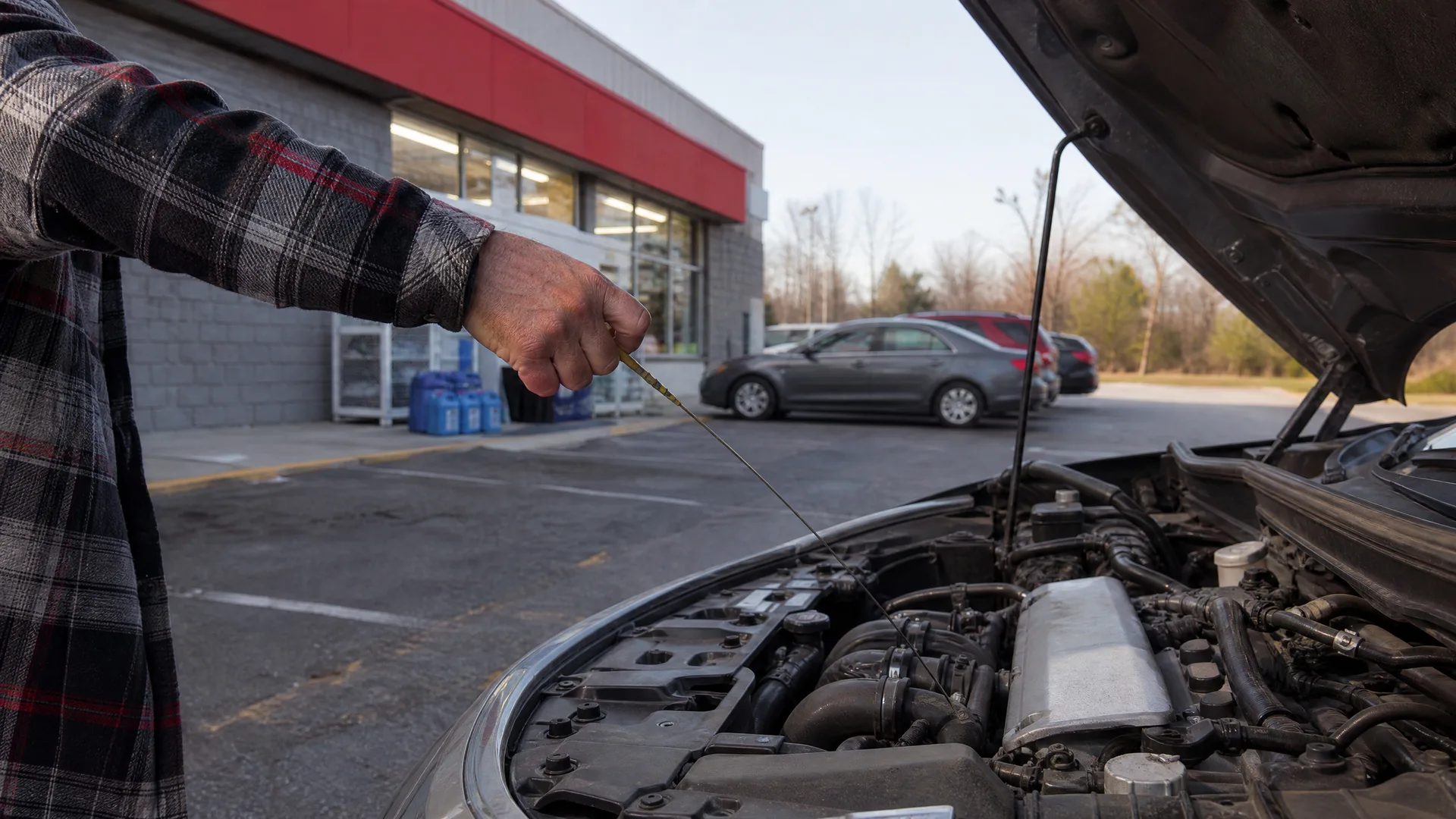
Don't let the insurer's questions about your health decide the claim for you
If an insurer suggests your age, your eyesight, or a medical condition played a role in the accident, that's a claim they have to support with evidence, not something you have to accept because they raised it. Ask them directly what they're basing that on.
If your own insurer is involved, your policy still covers you the same way it covers any other driver, as long as you were licensed and driving legally at the time. A valid license and a current registration are what matter, not your age.
If the claim gets complicated, or an insurer seems to be treating your age as the reason for the accident rather than the facts of the crash, it's worth having someone else look at the file with you. That could be a family member, or it could be a lawyer if the claim involves a serious injury or a large disputed amount.
Questions people ask about this
Do I have to report the accident to the New Hampshire DMV?
New Hampshire requires a report when an accident causes injury, death, or damage over the state's threshold. Check the current threshold and reporting form on the New Hampshire DMV's website, since the police report alone doesn't always satisfy this requirement.
Will my insurance rate go up after a claim that wasn't my fault?
In general, an accident that's ruled not your fault shouldn't raise your premium, but this depends on your insurer's rules and how New Hampshire regulates fault-based surcharges. Ask your insurer directly how they handle not-at-fault claims before you assume either way.
Can the other driver's insurance company contact me directly?
Yes, the other driver's insurer can call you to discuss the claim, but you're not required to give them a recorded statement right away. You can ask them to put questions in writing or wait until you've spoken with your own insurer first.
What if the other driver doesn't have insurance?
If the other driver is uninsured or underinsured, your own policy's uninsured motorist coverage, if you have it, is what pays for your damage or injuries. Check your policy to see what coverage you carry and what the claim process looks like under that part of your policy.
Should I accept the first settlement offer from the insurance company?
Not until you understand what it covers and whether your medical treatment and repair costs are finished. Once you accept a settlement, you typically can't go back and ask for more later, even if new costs come up.
If this accident has you thinking about whether your coverage still fits your situation, it's worth comparing what other policies offer.
Gather the police report, photos from the scene, and any medical records before you speak further with either insurer. Call your own insurance company first to report the claim, even if the accident wasn't your fault, since your policy may require it. Ask your insurer directly how they handle fault determination and whether your rate can change regardless of fault. If the other driver's insurer contacts you, it's fine to take their information and call them back once you've reviewed the accident report. If injuries or costs are significant, consider having a family member or an attorney review any settlement offer before you sign anything.