
Car Accident Claims for Seniors in New York
The process is the same one every driver uses, but a few things about how insurers handle older claimants are worth knowing before you file.
Free to compare
You file the same way any driver does
A car accident claim in New York works the same regardless of the driver's age. You report the accident to your insurer, and if another driver was at fault, you can also file with their insurer. New York is a no-fault state, so your own policy's personal injury protection pays your medical bills first, no matter who caused the accident.
What changes for an older driver isn't the process, it's how carefully the claim gets reviewed. Insurers sometimes look harder at injury claims involving older drivers, and medical treatment can take longer to document. Knowing that going in helps you keep better records from the start.
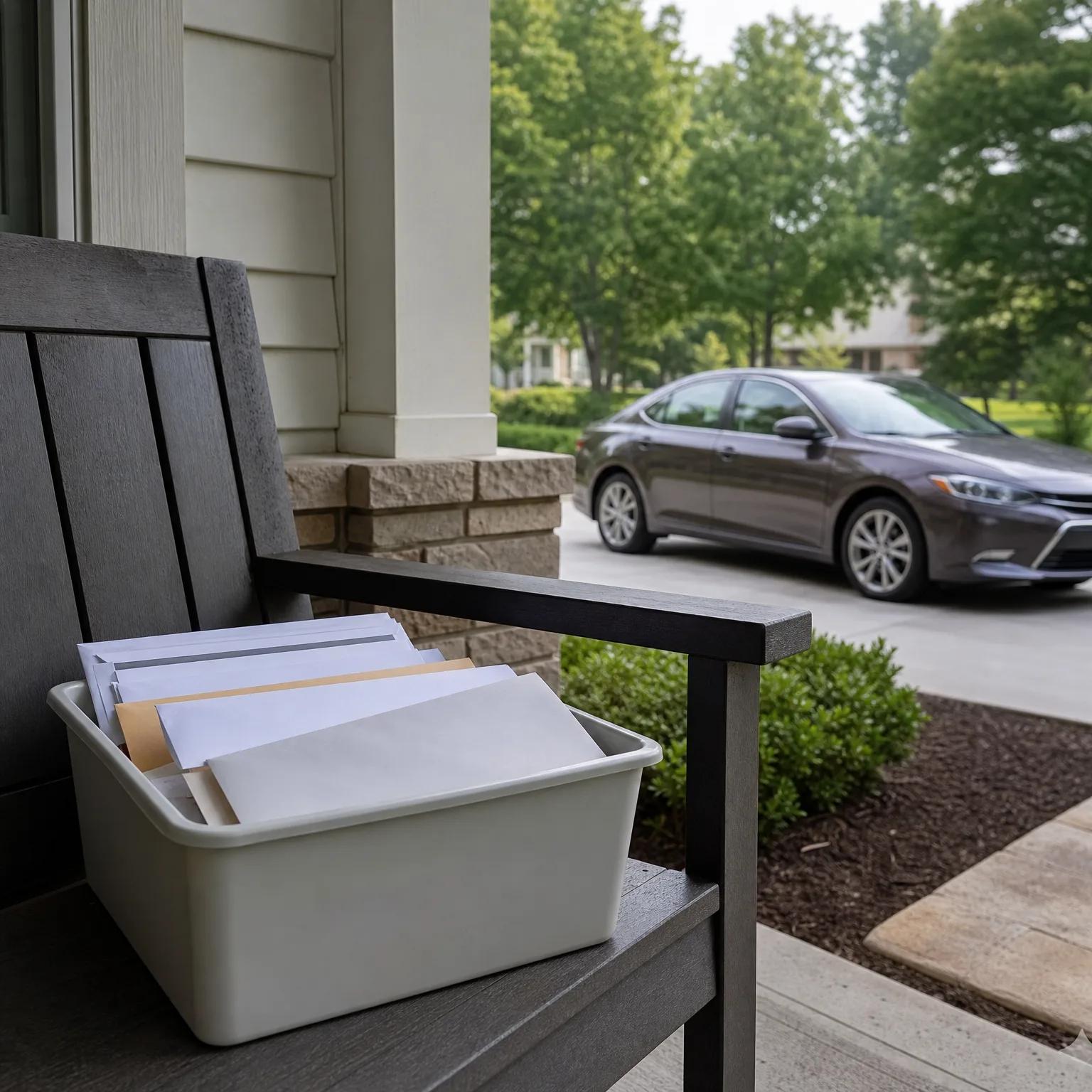
How the claim is reviewed can depend on your medical history
When you file an injury claim, the insurer will ask for your medical records, and not just the ones from after the accident. If you have prior conditions, arthritis, a previous fall, a existing back problem, the insurer may try to attribute some of your pain or limited mobility to those conditions rather than the crash.
This doesn't mean your claim is weaker. It means documentation matters more. See a doctor promptly after the accident and describe exactly what hurts and what changed. A clear record of your condition before and after the crash makes it harder for an insurer to blame something else.
If you're being treated for ongoing conditions, ask your doctor to note specifically what the accident worsened. That distinction, written down near the time of the accident, carries more weight later than a reconstruction months afterward.
If the insurer disputes your claim on these grounds, you don't have to accept their first answer. You can ask your own insurer to explain their reasoning, and you can seek a second medical opinion.
Your own insurance details matter as much as the accident itself
New York requires every driver to carry no-fault coverage, and the limits and terms of your specific policy decide how much of your initial treatment gets paid without a fight over fault. Check your policy's personal injury protection limit before you need it, not after.
If the accident was serious enough to involve a claim against the other driver, New York's threshold for suing over pain and suffering depends on the severity of the injury, not the age of the driver. An orthopedic injury common after a crash, a fracture or a permanent limitation, can meet that threshold regardless of how old you are.
If you're unsure whether your injuries clear that threshold, that's a legal question, not an insurance one. An attorney who handles no-fault claims in New York can tell you where you stand.
Your insurer's claims adjuster works for the insurance company, not for you. That's true for every driver, not just older ones, but it's worth remembering when they offer to settle quickly.
Questions people ask about this
Should I talk to the other driver's insurance company after the accident?
You're not required to, and it's often better not to give a recorded statement right away. Anything you say can be used to minimize what they pay. Let your own insurer handle the initial contact, and check with them before giving the other side a statement.
Will my car insurance rate go up after filing a claim in New York?
It depends on who was found at fault and on your insurer's own rules. If you weren't at fault, many insurers won't raise your rate, but this varies by company. Ask your insurer directly how they handle not-at-fault claims before you assume either way.
Do I need a lawyer for a minor car accident claim?
Not always. If the damage is limited to your vehicle and your injuries are minor, you can often handle the claim yourself through your insurer. If there's a significant injury or the other insurer is disputing fault or payment, a consultation with an attorney can tell you whether it's worth pursuing further.
What if the other driver has no insurance or not enough coverage?
Your own policy's uninsured or underinsured motorist coverage is what pays in that situation, if you have it. Check your policy to confirm you carry this coverage and what the limits are, since New York requires it but the amount you carry is yours to choose.
How long do I have to file a car accident claim in New York?
There are different deadlines for notifying your insurer, filing a no-fault claim, and filing a lawsuit, and they aren't the same length of time. Check your policy for the no-fault filing deadline and ask your insurer directly, since missing it can affect your payment.
If a renewal or a recent accident has you rethinking your coverage, it's worth seeing what other policies would actually cost you.

Report the accident to your insurer as soon as you can, even if you plan to handle most of it yourself. Keep every medical record from before and after the accident in one place, and ask your doctor to document specifically what the crash caused or worsened. Pull out your policy and check your personal injury protection limit and your uninsured motorist coverage before you need either one. If the other insurer disputes your claim or offers an early settlement, ask your own insurer to explain your options before you sign anything. If injuries are significant or fault is contested, a short consultation with an attorney who handles New York no-fault claims can tell you whether you're leaving money on the table.