Car Accident Claims for Seniors in Washington
The steps are the same as for any driver, but how the claim affects your rate afterward depends on your insurer and your record.
Free to compare
Report it, document it, and let the claims process run its course
If you're in an accident in Washington, the process works the same regardless of your age. Call the police if there's injury or significant damage, exchange information with the other driver, and report the claim to your insurer as soon as you can. Washington requires you to report accidents involving injury, death, or a certain amount of property damage to the state, separate from telling your insurer.
Your age doesn't change your legal duties after a crash or how the claim itself is handled. What it can affect is what happens next, how the claim shows up on your record and whether it affects your premium at renewal. That depends on your insurer's rules and your own driving history, not on your age alone.

Whether the accident was your fault changes what you're responsible for
Washington is an at-fault state, which means the driver responsible for the accident is generally responsible for the damage and injuries that result. If the accident wasn't your fault, you can usually file a claim against the other driver's insurance rather than your own.
If you do have to use your own policy, whether it's for your own damage or because the other driver was uninsured, that claim gets logged against your policy. Even a claim that wasn't your fault can sometimes affect your rate, depending on your insurer, so it's worth asking them directly how they treat not-at-fault claims before you assume it won't matter.
Keep your own documentation no matter who was at fault. Photos of the scene, the other driver's information, and a copy of the police report will matter if there's any dispute later about what happened.
How the claim affects your premium depends on your insurer, not your age
Some insurers offer accident forgiveness, where your first at-fault accident doesn't raise your rate. Whether you have this, and whether it applies here, depends entirely on your policy. Check your declarations page or call your insurer to find out before you assume either way.
A common misconception is that insurers automatically raise rates or drop older drivers after a claim. That's not something that happens uniformly. Each insurer sets its own rules for how a claim affects your premium and whether your age plays any role in that at all.
If your rate does go up at renewal, ask your insurer specifically why. It may be the claim, it may be unrelated, and knowing the actual reason tells you whether shopping around for a new quote makes sense.
Questions people ask about this
Do I need to report a minor accident to the police in Washington?
Washington law requires a report if there's injury, death, or property damage over a certain amount, which the state sets, so check the current threshold with the Washington State Patrol or your local police department. Even for a minor accident below that line, it's worth documenting it yourself with photos and the other driver's information in case damage or injury shows up later.
What if the other driver has no insurance?
If you have uninsured motorist coverage, you can file a claim with your own insurer for your damages. Washington requires insurers to offer this coverage, though you can decline it in writing, so check your policy to see whether you have it and what it covers.
Can my insurer drop me after an accident?
Insurers can choose not to renew a policy for various reasons, and the rules around this vary by insurer and by state regulation. If you're concerned about this after a claim, ask your insurer directly about their non-renewal policy rather than guessing.
Should I talk to the other driver's insurance company?
You're not obligated to give a detailed statement to the other driver's insurer, and many people choose to stick to basic facts until their own insurer or an attorney has weighed in. Anything you say can be used in deciding fault, so it's reasonable to keep it simple and factual.
Will a claim affect my ability to renew my policy?
Most policies renew normally after a claim, but this depends on your insurer's underwriting rules and your overall driving record. If you're unsure, ask your insurer what factors they weigh at renewal time.
If a recent accident has you wondering whether your rate will change, see what other insurers would charge you now.
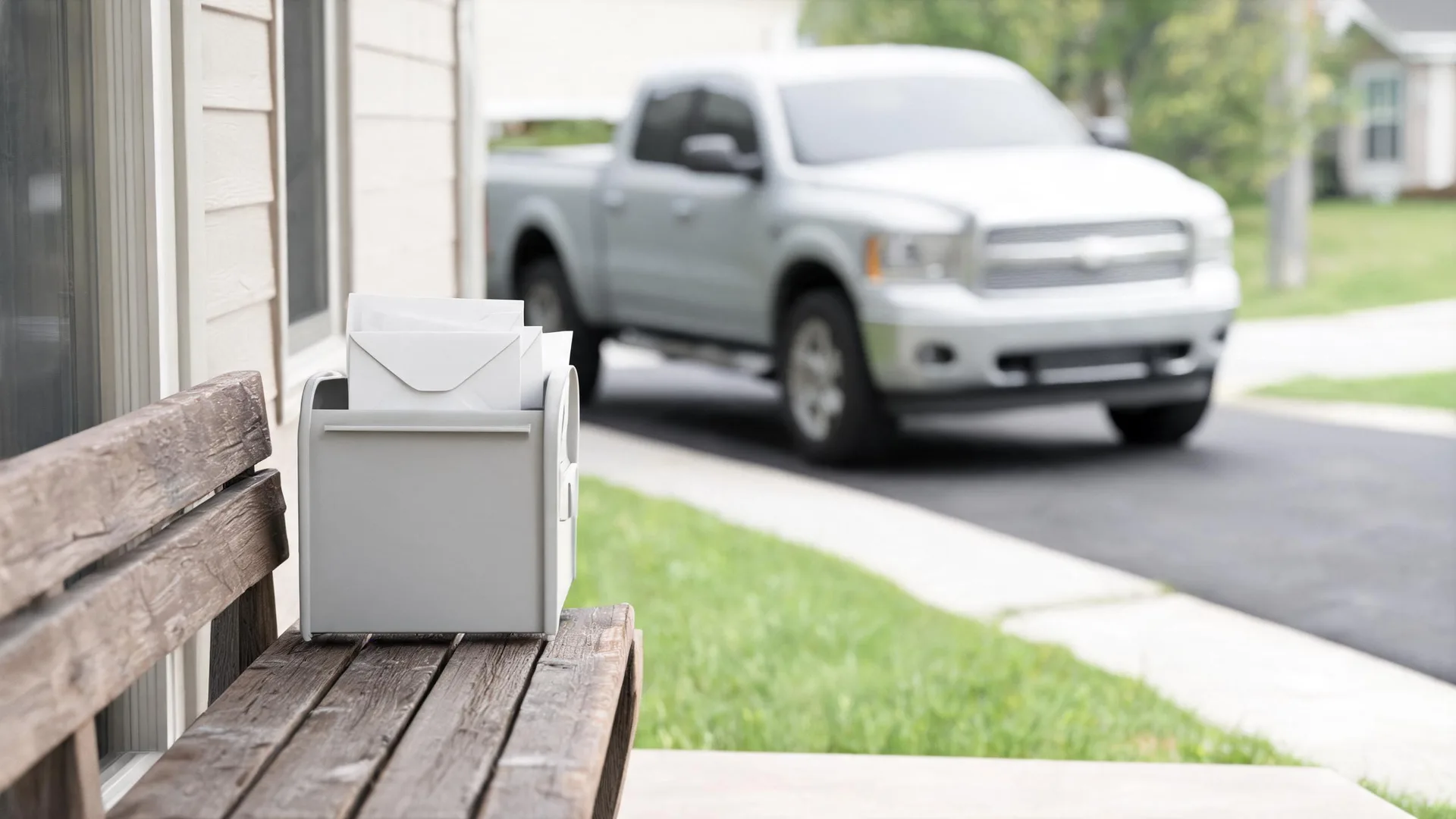
Pull together the police report, photos from the scene, and any correspondence with the other driver's insurer. Call your own insurer and ask two things: whether this claim affects your premium, and whether you have accident forgiveness or any other protection that applies. Ask specifically rather than assuming either way. Once you know how your current insurer is treating the claim, you'll have a clearer sense of whether your rate is likely to change at renewal. If it does, that's a good time to compare quotes from other insurers to see where you stand.