How Do Car Accident Scams Work
Scammers rely on you reacting normally after a crash, so knowing their tricks in advance is the best protection.
Free to compare
Most scams depend on causing a crash that looks like your fault
Car accident scams work by staging a collision so it looks like an ordinary accident, then filing claims for injuries or damage that are exaggerated or never happened at all. The driver who caused it, or their passengers, may claim pain that can't be easily disproven, or inflate the cost of repairs on a car that was already damaged.
They rely on a few things working in their favor. A rear-end collision almost always gets blamed on the driver who hit the car in front, so scammers engineer situations where that happens. They also count on the other driver being rattled, apologetic, and willing to agree to things at the scene before thinking it through.
The setup usually involves a sudden, unexplained stop
One common version is a driver who brakes hard for no reason, sometimes in a car with disabled brake lights, so the driver behind has no warning and rear-ends them. Another version uses two cars working together. One pulls in front of you and brakes, a second blocks you from behind or to the side, and you're boxed into causing the impact.
These setups tend to happen in heavy traffic or at merges, where a hard stop doesn't look unusual to anyone watching. The scammer is counting on witnesses, if there are any, not being able to say for certain what happened.
If a stop feels staged, a dashcam is the clearest way to show what actually happened. Without one, your own account of the sequence of events, written down as soon as possible after the crash, is what you'll have to rely on.
Watch for a car that's unusually slow to speed back up after a prior stop, or one that seems to be waiting for you to get close before braking. It won't always be obvious in the moment, but it's worth noticing afterward if something about the crash didn't add up.
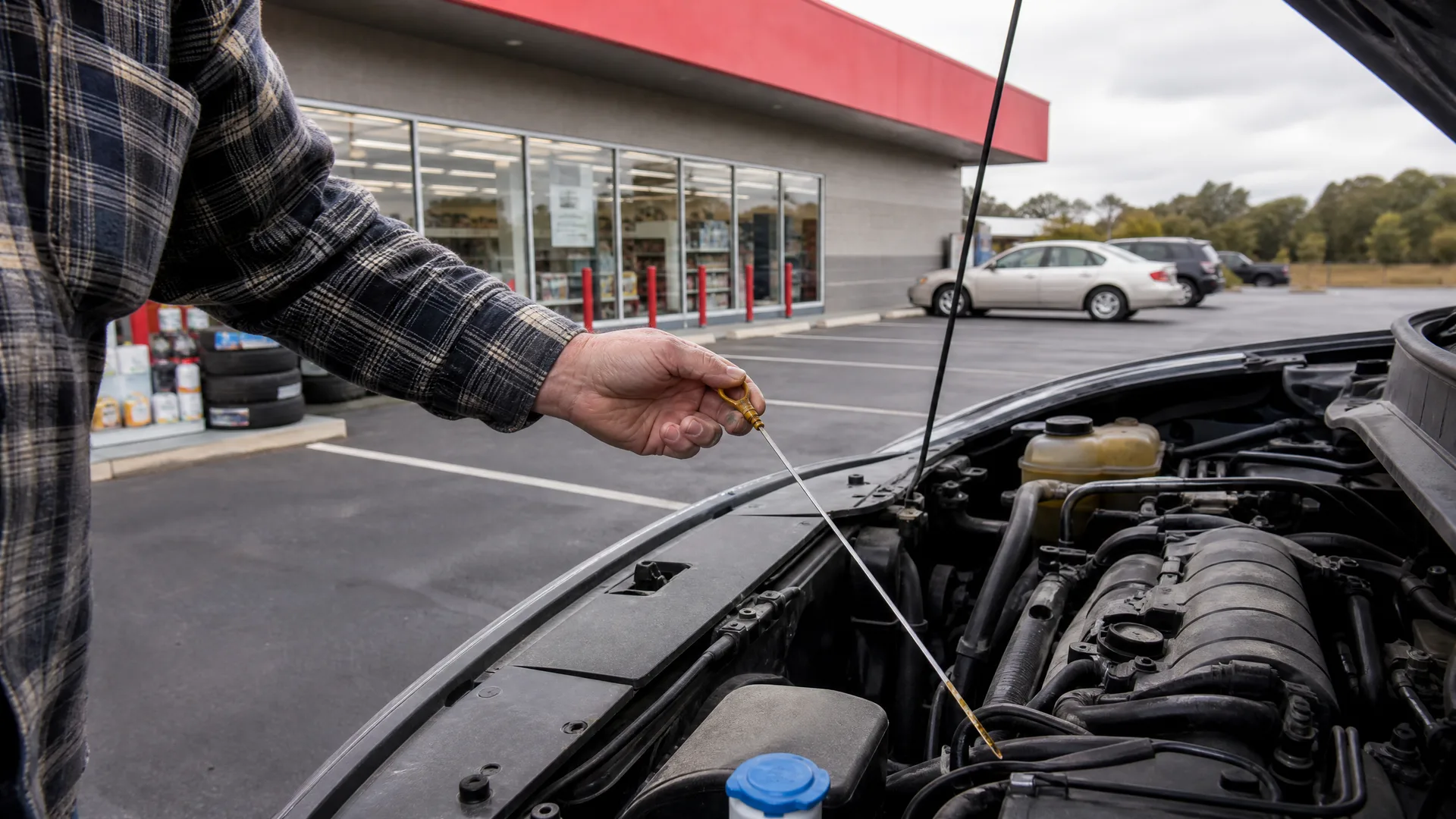
What happens after the crash is where most scams actually succeed
The crash itself is only the setup. The scam usually depends on what happens next: inflated injury claims, repair estimates padded with damage that didn't come from this accident, or passengers who weren't really in the car at the time claiming they were hurt.
This is why photos matter more than almost anything else at the scene. Pictures of both cars, the position they ended up in, the visible damage, and everyone who was actually present can contradict a claim that gets exaggerated later.
Getting a police report filed is also worth doing even when it feels unnecessary. A scammer is often hoping you'll agree to handle things privately, without police or insurers involved, because that removes the paper trail that would otherwise make an inflated claim harder to pull off.
Your insurer is the one who will ultimately investigate an injury or repair claim that looks suspicious, so give them everything you have. If you have any doubt about what happened, say so rather than agreeing with the other driver's version just to move things along.
Questions people ask about this
What should I do if I think I was in a staged accident?
Report it to your insurer and mention specifically that you suspect it was staged. Give them any photos, dashcam footage, or witness information you have, since this is the kind of claim they're equipped to investigate further. Avoid agreeing to anything with the other driver beyond exchanging basic information.
Will my insurance rates go up if I'm a victim of an accident scam?
It depends on how the claim is resolved and how your insurer classifies fault. If the investigation determines the other driver staged the accident, that should be reflected in how the claim is recorded. Ask your insurer directly how a confirmed scam affects your record, since this can vary by company.
How can I prove I wasn't at fault in a staged accident?
Photos, dashcam video, and witness statements taken at the scene are the strongest evidence. A police report filed at the time of the crash also documents the conditions and both drivers' statements before anyone has had time to adjust their story. The more documentation you have from the moment of the crash, the harder it is for a false claim to hold up.
Are certain cars or drivers targeted more often for accident scams?
Scammers tend to look for newer or nicer cars, since repair and injury claims against them are worth more. They also often target drivers who seem distracted, unfamiliar with the area, or less likely to push back, such as someone driving a rental car. There's no way to fully avoid being a target, but staying alert in heavy traffic and at merges reduces the chance of being caught off guard.
Should I get a dashcam to protect against accident scams?
A dashcam won't prevent a staged accident, but it gives you clear footage of what actually happened, which is often the deciding factor in disputed claims. Many insurers accept dashcam footage as evidence during a claims investigation. Check with your own insurer about how they handle this kind of footage before you need it.
If a past claim or a suspicious accident is pushing your rate up, see what other insurers would charge you now.
If you were just in an accident that felt off, write down everything you remember while it's fresh, including the exact sequence of events, what the other driver said, and who was in each car. File a police report even if the damage looks minor. Send your insurer every photo and piece of documentation you have and tell them plainly why you suspect it wasn't a normal accident. Ask your insurer how a claim like this is investigated and what it will mean for your policy going forward. If your rate does go up afterward, it's worth comparing quotes from other insurers to see whether you're still getting a fair price.