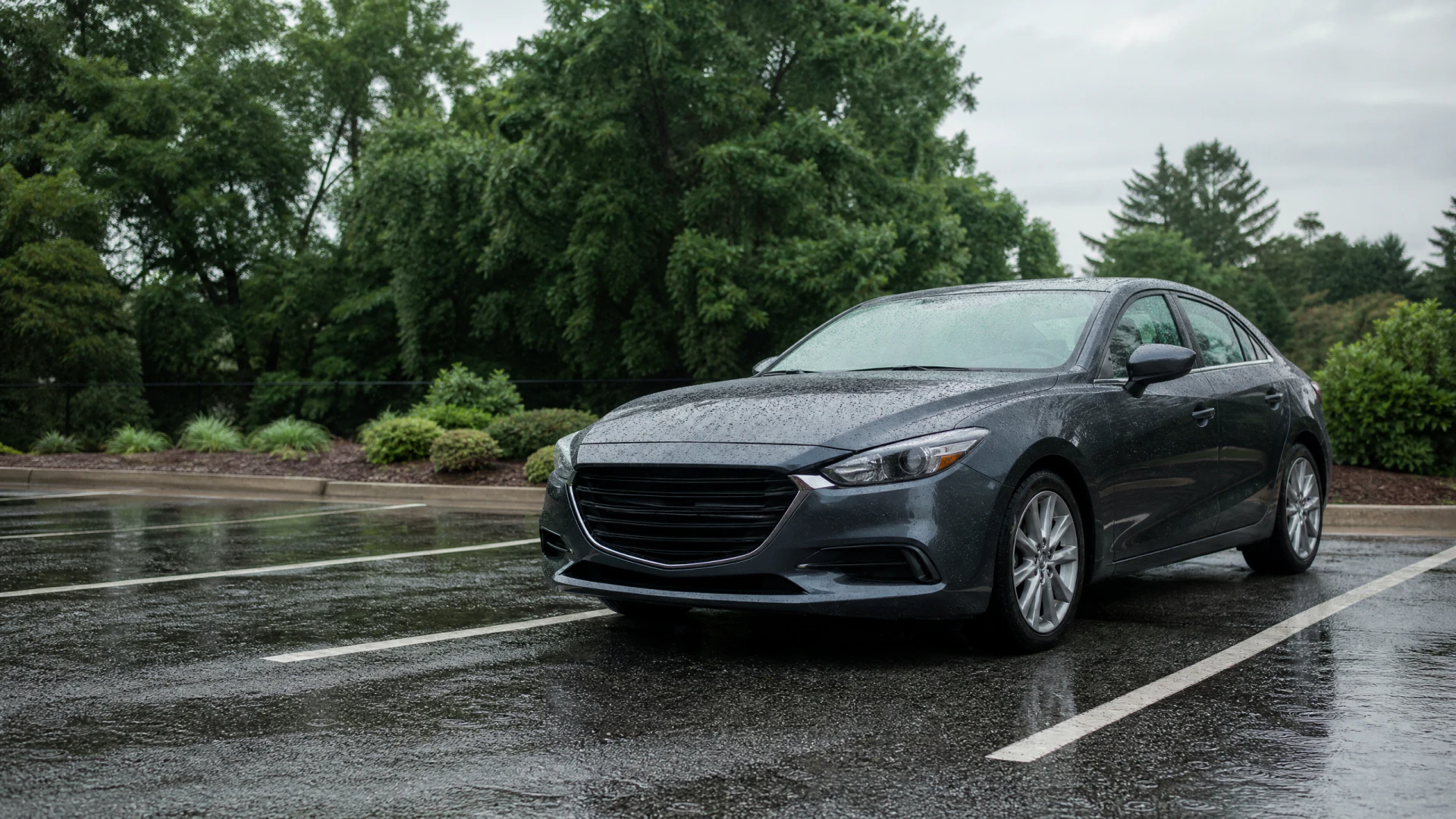
Should I Report a Hit and Run to My Insurance
Report it as soon as you can, because the longer you wait, the harder it is to get the coverage you're paying for.
Free to compare
Report it, even if the damage looks minor
Call your insurer and tell them what happened. Most policies require you to report an accident within a certain time, and a hit and run is still an accident even though the other driver left.
If you want your insurer to pay for the damage, you need uninsured motorist coverage or collision coverage, and either one usually requires a police report and a claim filed while the details are still fresh. Waiting doesn't protect your rate. It just makes the claim harder to prove.
Whether you filed a police report matters more than your age
Insurers lean on the police report to confirm what happened and when. Without one, your insurer has only your word, and that can slow down or weaken a claim for a hit and run.
If you haven't already, file a report with the police in the area where it happened. Give them the time, the location, and anything you noticed about the other car, even a partial plate or the color and type of vehicle.
Some insurers will still take a claim without a police report, but they'll ask more questions and may take longer to decide. Check your policy or ask your agent what they require.
What coverage you have decides what gets paid
If you carry uninsured motorist property damage coverage, that's usually what pays for a hit and run where the other driver can't be found. If you don't carry that, collision coverage can still pay for the repair, but you'll likely owe your deductible.
If you only carry liability coverage, there may be nothing in your policy that covers this kind of damage. That's worth knowing before you call, so you're not surprised by the answer.
Ask your insurer directly which coverage on your policy applies and what you'd owe out of pocket before they pay anything.
Questions people ask about this
Will reporting a hit and run raise my insurance rate?
It depends on your insurer and the coverage you use to pay for it. Some insurers treat a hit and run differently from an at-fault accident since you weren't the one who caused it, but that isn't true everywhere. Ask your insurer directly how they handle hit and run claims before you decide whether to file.
What if I don't know who hit my car?
You can still file a police report and a claim even without knowing who did it. The police report documents the damage and the circumstances, and your insurer can use that along with any uninsured motorist coverage you carry. Not knowing the other driver doesn't mean you have no options.
How long do I have to report a hit and run to my insurer?
Check your policy, since insurers set their own reporting windows and they vary. Many expect notice within a short time of the accident, so it's safer to call as soon as you're able rather than wait to see if the damage matters.
Does it make a difference if I wasn't driving when it happened?
If your parked car was hit, you can still report it and file a claim the same way. The timing and the police report still matter, since a damaged car sitting overnight can raise questions about when and how it happened.
Should I get repair estimates before I call my insurer?
No, call first. Your insurer will usually want to open the claim and may direct you to an approved shop or ask for photos before any repair estimate is final. Getting estimates first doesn't speed up the claim and can mean redoing the work.
If a hit and run has you wondering what your coverage actually covers, it's worth seeing what other policies offer.

Call the police before you call your insurer, and get a copy of the report once it's filed. Take photos of the damage and your car's location if it's still there. Then call your insurer and ask specifically which coverage applies, whether you owe a deductible, and how the claim could affect your renewal. Keep the police report number and your claim number together somewhere you can find them. If your insurer's answer doesn't sound right, ask to see the part of your policy that explains it.