What Happens If a Senior Causes an Accident
Age itself doesn't decide what happens next. Your record, your state, and your insurer do.
Free to compare
The accident is handled the same way at any age
An insurer looks at fault, the cost of the claim, and the driving record behind it. Age isn't a factor in how the claim itself gets processed or paid.
Where age enters is afterward. A senior with a clean record for decades can still see a higher premium at renewal, and in some states the DMV may ask for a driving evaluation after a reported at-fault accident. Neither of those is automatic. They depend on the state, the insurer, and what's already in the file.
Your state decides what the DMV can require
Some states allow the DMV to request a re-examination, a vision test, or a road test after an at-fault accident is reported, and some apply this more often to older drivers. Other states don't single out age at all and treat every driver's report the same way.
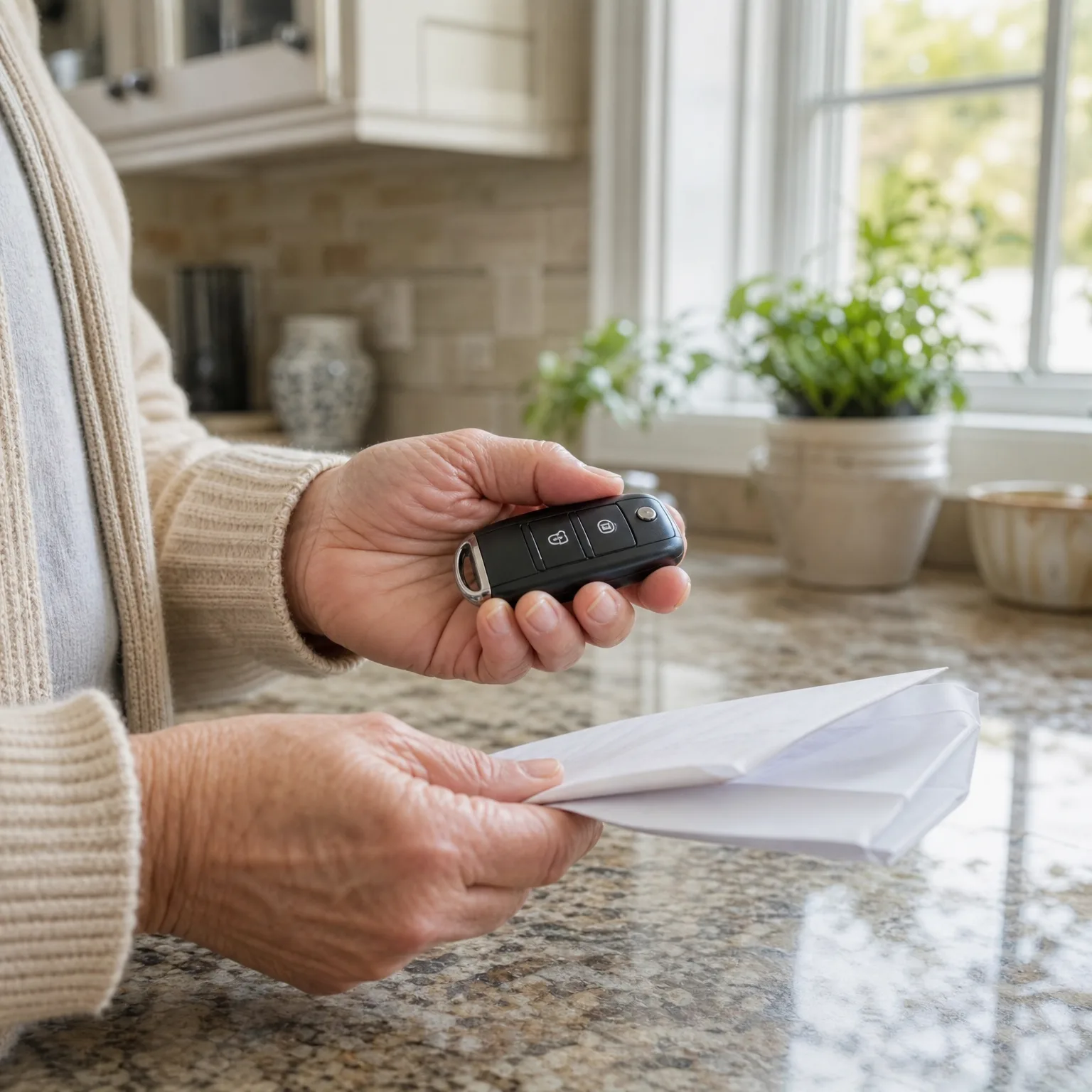
If a letter arrives from the DMV, read exactly what it's asking for. It might be a routine notice that goes to anyone involved in a reported accident, not a judgment about age or ability.
The insurer and the DMV are separate. A re-examination doesn't change what the insurer charges, and a premium increase doesn't trigger a DMV review. Each one is working from its own file.
If there's any uncertainty about what the state requires, the DMV's own site or a call to them will say exactly what applies, rather than guessing from what happened to someone else.
Your insurer decides what happens to your rate
After an at-fault accident, most insurers will raise the premium at the next renewal. How much depends on the insurer's own rules, the rest of the driving record, and sometimes how long the driver has been with them.
A long history with one insurer sometimes softens this. Some companies have accident forgiveness built into longstanding policies, or won't raise rates after a first at-fault accident in many years. This isn't universal, so it's worth asking the current insurer directly whether anything like that applies.
A completed defensive driving course can sometimes offset part of the increase, but only if the insurer is told. The course itself does nothing until the certificate is sent in.
If the increase is steep, that's a reason to get quotes from other insurers rather than assume the current rate is the only option. A single accident doesn't make someone uninsurable, it just means some insurers will price the policy higher than others.
Questions people ask about this
Can a senior lose their license after causing an accident?
A single at-fault accident doesn't usually cost someone their license. States vary in how they combine accidents, moving violations, and any medical or vision flags before action like that is considered, so what matters is the full record, not one incident.
Does an at-fault accident affect a senior discount?
It can, depending on the insurer. Some senior or mature-driver discounts are tied to a clean record for a certain period, so an at-fault accident may remove that discount at renewal even while other parts of the policy stay the same. Ask the insurer directly how their discount is structured.
Will the insurance company ask about my parent's health after an accident?
Not typically, and insurers don't have authority to evaluate someone's health or driving ability directly. Any question about fitness to drive would come from the DMV, usually triggered by a report from police, a doctor, or in some states the accident report itself.
Should an elderly driver take a defensive driving course after an accident?
It's worth considering, since some insurers give a discount for a completed course and it can also satisfy a DMV requirement if one is issued. The course only helps once the certificate is sent to the insurer and, if required, the DMV.
How long does an at-fault accident affect car insurance rates?
It depends on the insurer's own rules, since there's no single standard length of time. Some insurers weigh recent accidents more heavily and let the impact fade after a few years of clean driving, so asking the insurer how they weigh it is the only way to know for this policy.
See how other insurers would price this same record before the renewal arrives.

Pull the accident report and the current policy declarations page so the details are in hand. Call the current insurer and ask directly how the accident changed the premium and whether anything offsets it, like a long-term discount or a completed driving course. If a DMV letter arrived, read it carefully and confirm with the DMV what it's actually requesting before assuming the worst. Then compare quotes from a few other insurers, since one at-fault accident is priced very differently from company to company. Keep any course certificate and send a copy to the insurer directly, since finishing the course alone doesn't change anything until they have it on file.