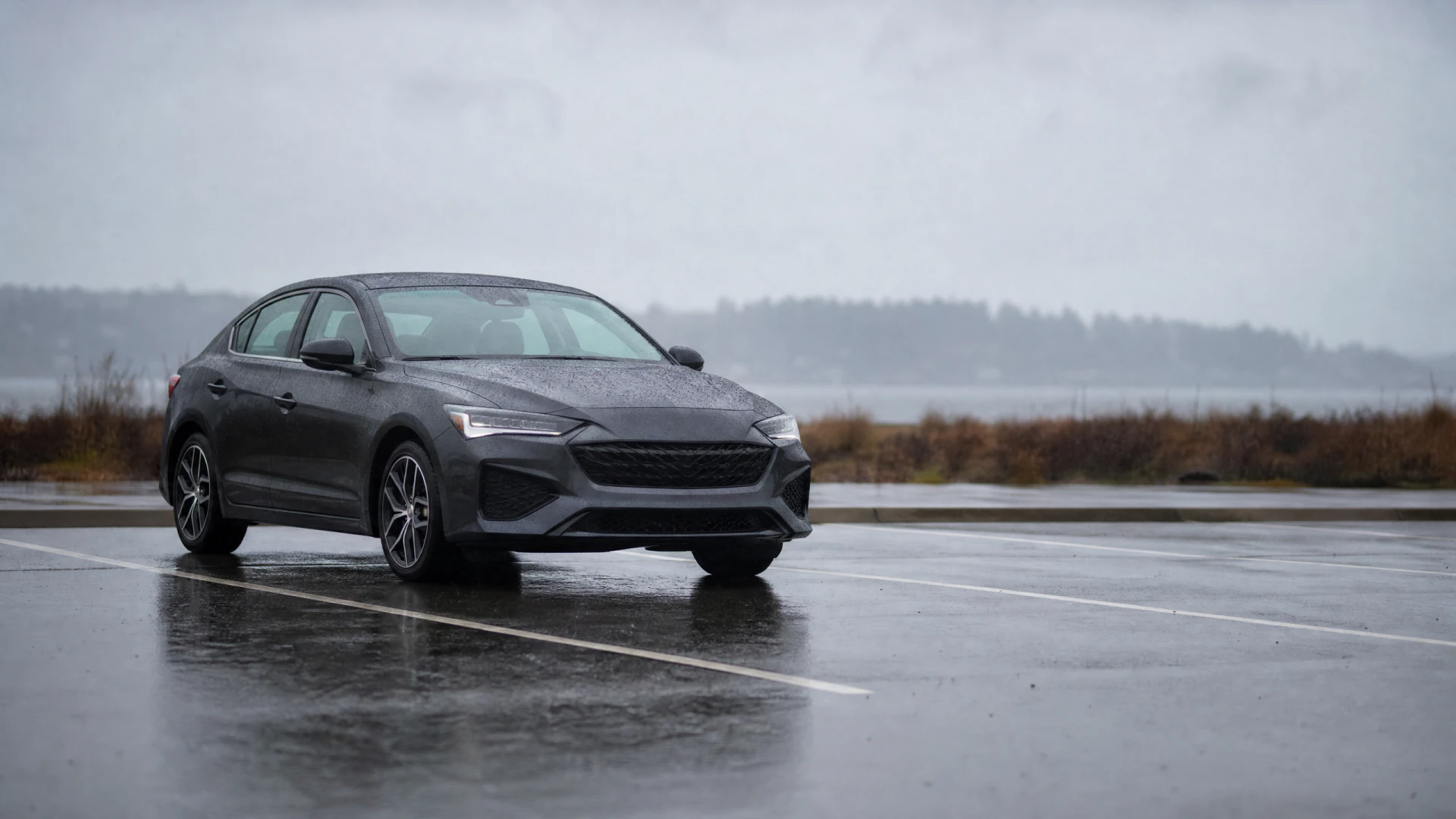
What If an Accident Happens in Another State
Your coverage travels with your car, so an accident in another state is handled the same way an accident at home would be.
Free to compare
Your policy covers you anywhere in the country
An accident in another state is covered the same as one in your home state. Car insurance isn't tied to a location. It's tied to the car and the policy, so it applies wherever you're driving, as long as you're within the country the policy was written for.
What can change is which state's minimum coverage rules apply if the other state requires more than your home state does. Most policies adjust automatically to meet that state's minimum requirements while you're there. Your insurer can tell you exactly how your policy handles this.
The other state's laws may apply to the claim
The state where the accident happened usually decides how fault and damages get sorted out, not your home state. If you're in a state that assigns fault differently than yours does, that can affect how the claim is settled, even though your policy itself still applies.
This matters most in states with no-fault rules, where your own insurer pays your medical costs regardless of who caused the crash, versus states where the at-fault driver's insurer pays. Crossing from one type of state into the other can change how the claim is processed.
You don't need to know these rules yourself. The adjuster handling your claim will apply the right state's rules. What you should do is report the accident the same way you would at home: call your insurer, give them the location, and let them sort out which state's rules govern the claim.
If you're not sure how your state's rules differ from where you were driving, your insurer or agent can explain it before you need it, not after.
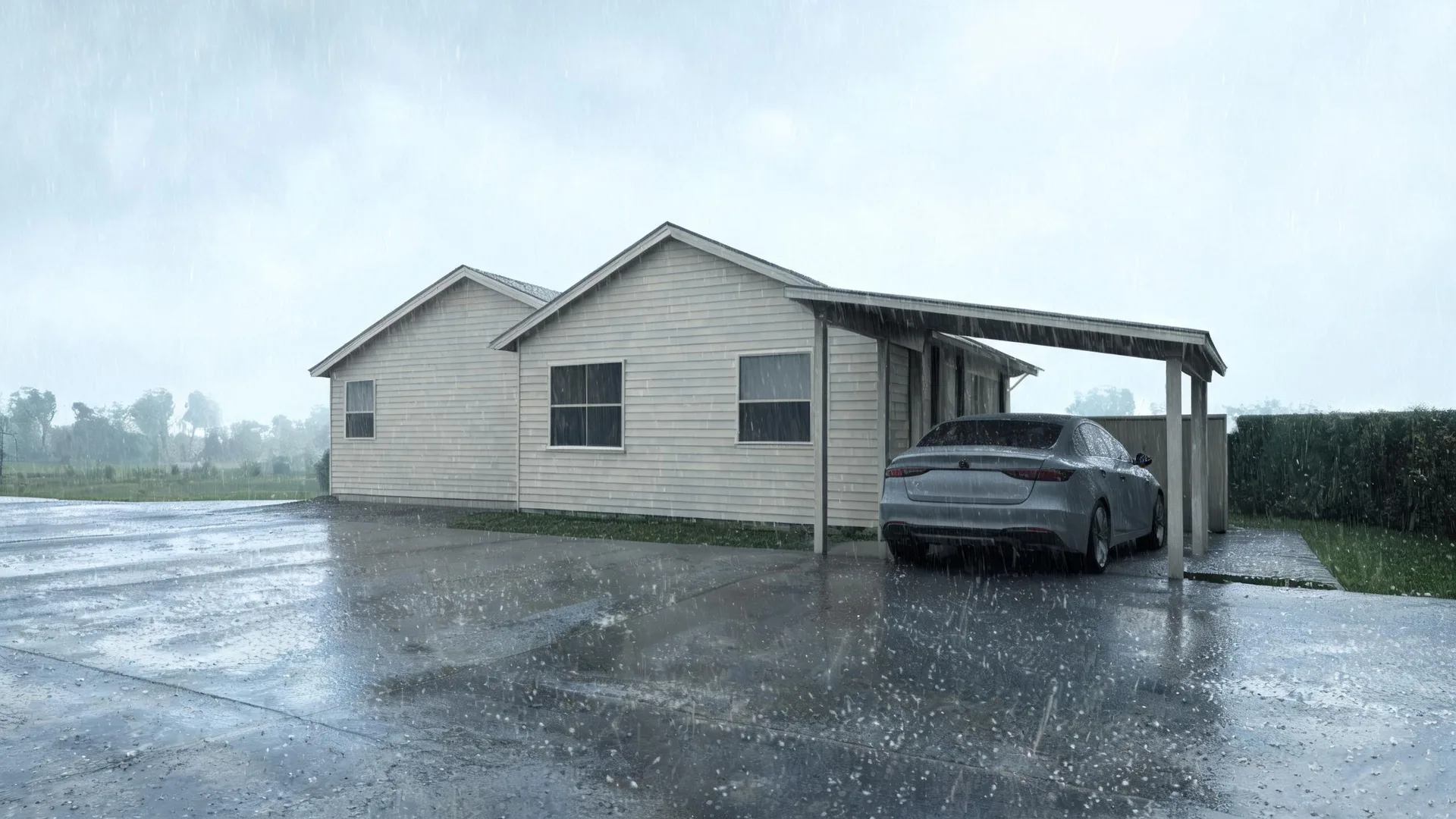
Reporting it and finding help away from home
The biggest practical difference in another state is logistics, not coverage. You won't have your usual repair shop, your usual agent's office, or the same roadside service contacts nearby. Your insurance card and your insurer's claims phone number matter more when you're away from home than when you're not. Many insurers now handle claims entirely by phone or app, which makes the actual state you're in less relevant than it used to be. If your car needs towing or isn't driveable, your policy's roadside assistance or rental coverage, if you have it, works the same away from home as it does locally. Check what your policy includes before a trip, especially for coverage, so you're not learning the details for the first time at the scene of an accident. If the other driver is from that state and uninsured, your own uninsured motorist coverage, if you carry it, is what protects you, not anything about where the accident happened.
Questions people ask about this
Do I need to report the accident to that state's DMV?
Some states require an accident report filed with their DMV if there's injury or damage over a certain threshold, regardless of where you're from. Check the rules of the state where the accident happened, since they're the ones who would require it, not your home state.
Will my rate go up if the accident happened out of state?
How an accident affects your rate depends on fault and your insurer's rules, not on where it happened. An at-fault accident can affect your premium the same way regardless of which state you were driving in when it happened.
What if the other driver is from a different state than both of us?
Insurance still works the same way. Each driver's own insurer is responsible for handling the claim according to their policy, and the state where the accident occurred typically governs how fault is determined.
Should I call the police if I'm not familiar with that state's roads?
Yes, calling the police is a good idea regardless of location, and in many states it's required for accidents involving injury or significant damage. A police report gives you an official record, which matters more when you're away from home and can't easily follow up in person.
Does my rental car insurance work differently in another state?
If you're driving your own car, this doesn't apply. If you were in a rental, the coverage follows whatever agreement you made with the rental company and your own policy's rules for rental cars, not the state you're driving through. Check with your insurer about how your policy treats rental cars before you travel.
If an out-of-state accident has you rethinking your coverage, see what else is out there.
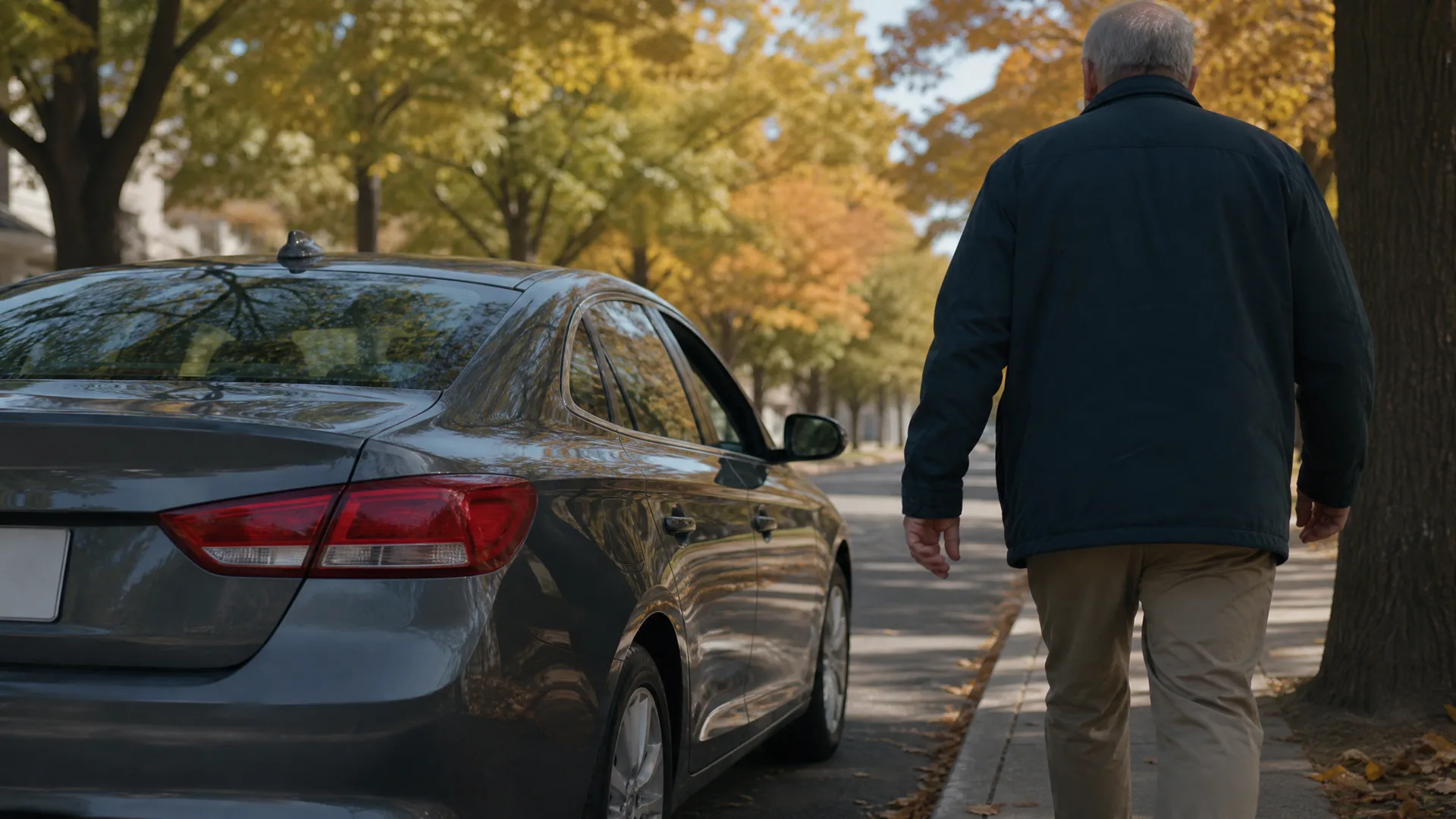
Keep your insurance card and your insurer's claims number somewhere you can reach them without hunting, especially before a long trip. If an accident happens, call the police if the situation calls for it, then call your insurer the same way you would at home. Ask your agent now, before any trip, how your policy handles accidents in other states and whether you have uninsured motorist or rental coverage. Write down the other driver's information and the exact location, since the state where it happened will matter for the report. Keep any paperwork from the other state's police or DMV together with your claim records.