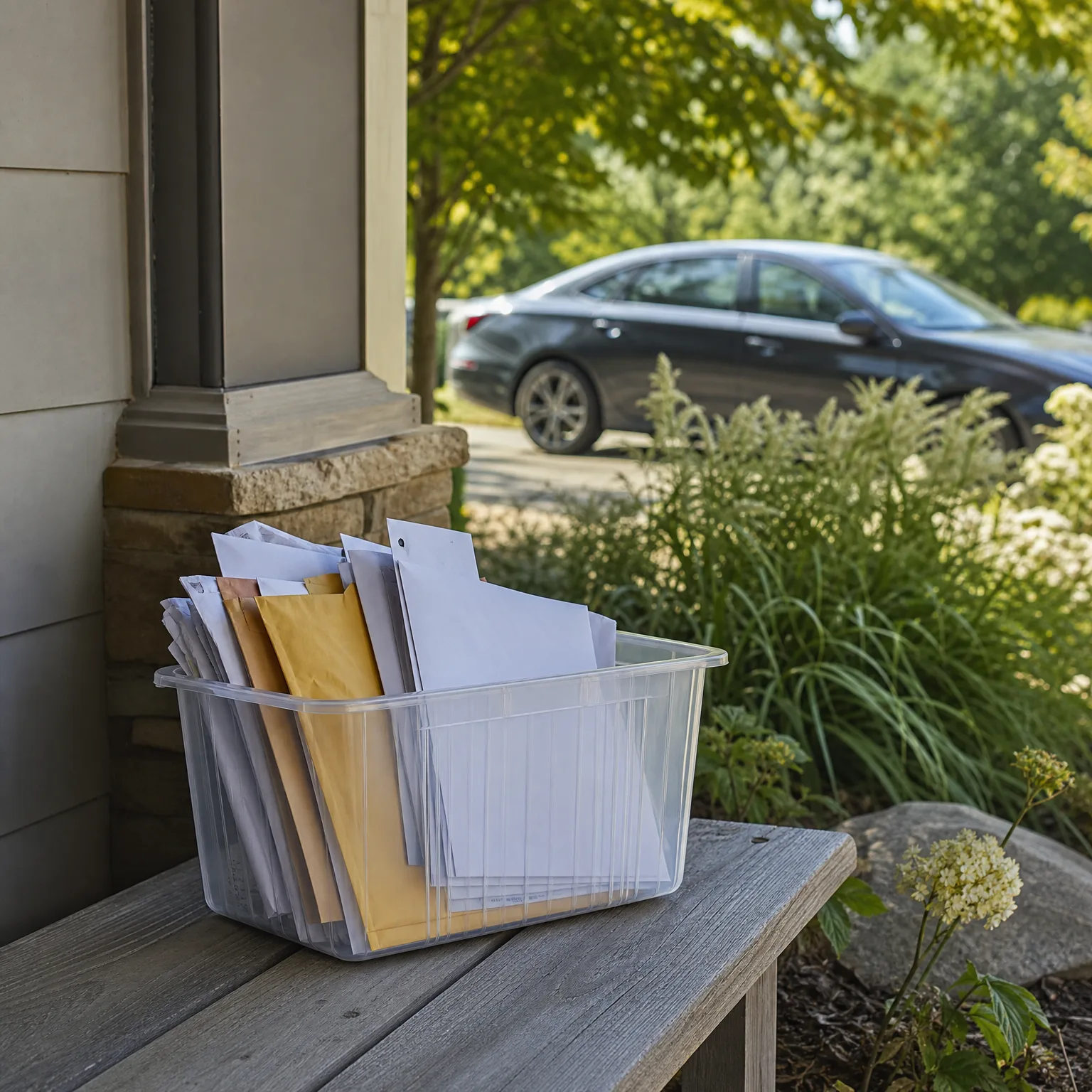
What If an Insurer Denies My Claim
You can ask the insurer to explain the denial in writing, and in most states you have the right to appeal before you accept it.
Free to compare
You have the right to know why, and to push back
An insurer that denies a claim has to give you a reason. If the letter or call didn't spell it out clearly, you can call and ask them to put the specific reason in writing. That reason is what you're appealing, so you need to see it in plain terms before you can respond to it.
Most denials come down to a dispute over facts: what the policy covers, what happened in the accident, or what the damage actually cost. None of those are final just because the insurer said so. You can supply more evidence, ask for a second look, and in many states take the dispute to the state insurance department if the insurer won't budge.

The reason they gave you decides what happens next
A denial for a missed payment or a lapsed policy is different from a denial over what caused the damage. If it's about payment, check your own records first. Insurers make billing errors, and a reinstated policy sometimes still covers a claim that was filed while it looked lapsed.
If the denial says the damage isn't covered, go back to your policy and find the exact clause they're citing. Sometimes the clause doesn't say what the adjuster claims it says. Sometimes it does, and the real dispute is over whether what happened to you falls under it.
If the denial is about fault, that's usually a factual disagreement, not a policy one. A police report, photos, or a witness statement can change the outcome here in a way they can't with a coverage dispute.
Knowing which kind of denial you're dealing with tells you whether you're arguing about paperwork, about wording, or about what actually happened on the road.

Your state decides how far you can push
Every state has an insurance department that handles complaints against insurers, and filing one costs you nothing. If you believe the insurer is misreading its own policy or treating your claim differently from how it treats similar ones, this is the place to say so.
Some states also require insurers to offer an internal appeal process before you can take a dispute further. Check your denial letter or your state insurance department's website for what that process looks like and how long you have to start it.
If the amount in dispute is large, or the insurer won't move, some drivers hire a public adjuster or an attorney who handles insurance disputes. That's a bigger step, and usually only worth it when the claim is significant enough to justify the cost.
What's true everywhere is that a denial is a position the insurer is taking, not a ruling from a court. You're allowed to disagree with it and say why.
Questions people ask about this
How long do I have to appeal a denied claim?
It depends on your insurer and your state, so check the denial letter for a deadline. If none is listed, ask your insurer directly and also check your state insurance department's rules, since some states set their own minimum window regardless of what the insurer's letter says.
Will a denied claim affect my premium?
A denied claim usually doesn't raise your premium the way a paid claim can, since the insurer didn't pay out on it. But insurers do look at claim history broadly, so ask your own insurer how they treat denied claims specifically if you're concerned about renewal.
Can I switch insurers after a claim is denied?
Yes, you can shop for a new policy at any time, including while a dispute is still open. A denial itself isn't something a new insurer can see the way they'd see an at-fault accident, but be ready to explain the situation if they ask about recent claims.
What if the denial is because I was late on a payment?
Check whether the payment actually posted before the claim date, since billing errors happen on both sides. If you were genuinely lapsed, ask the insurer whether reinstatement is possible and whether it would apply retroactively to cover the incident.
Do I need a lawyer to dispute a denied claim?
Not for most disputes, since you can file your own appeal or a complaint with your state insurance department without one. A lawyer or public adjuster is usually only worth considering when the claim amount is large and the insurer is not responding to a direct appeal.
If this insurer isn't working out, it's worth seeing what else is available before you renew.
Get the denial in writing with the specific reason cited, not just a general letter. Pull your policy and find the exact clause or condition the insurer is pointing to, and read it yourself rather than taking their summary of it. Gather anything that supports your side, including photos, repair estimates, or a police report. Call your insurer and ask what their internal appeal process is and how long you have to use it. If you're not getting anywhere, contact your state insurance department and ask how to file a complaint. Keep a written record of every call and every date, since you may need it if the dispute goes further.