
Will My Rate Go Down After an Accident Falls Off
Your rate usually improves once an accident ages off, but the drop isn't automatic and isn't guaranteed to match what you expected.
Free to compare
In most cases, yes, but not by itself
When an accident stops counting against you, your insurer has one less reason to charge you more. For a lot of drivers that shows up as a lower premium at the next renewal.
But it depends on what else changed while that accident was on your record. If you added a ticket, moved to a different area, or your insurer raised rates across the board, those things can cancel out the drop or hide it completely. The accident falling off removes a penalty. It doesn't lock in a reward.

How your insurer counts the years
Insurers don't all use the same lookback period, and some weigh a recent accident more heavily than one from several years back even before it fully drops off. That means your rate might already be creeping down year over year before the accident disappears from your record entirely, rather than dropping all at once.
The exact timing is set by your insurer's own rules and sometimes by your state's reporting rules for the public record. Your insurance record and your state driving record aren't always the same thing, and they don't always clear on the same schedule. If you want to know exactly when your rate reflects the change, ask your insurer when the accident stops factoring into your premium, not just when it falls off your license record.
If you switch insurers before the accident ages off, the new company will look at your record fresh. That can work for you or against you depending on how they weigh things, so it's worth asking a prospective insurer how they'd treat the accident rather than assuming.
Check your renewal notice or declarations page around the time the accident should age off. That's where the change, if there is one, will actually show up.
What else is on your record at the same time
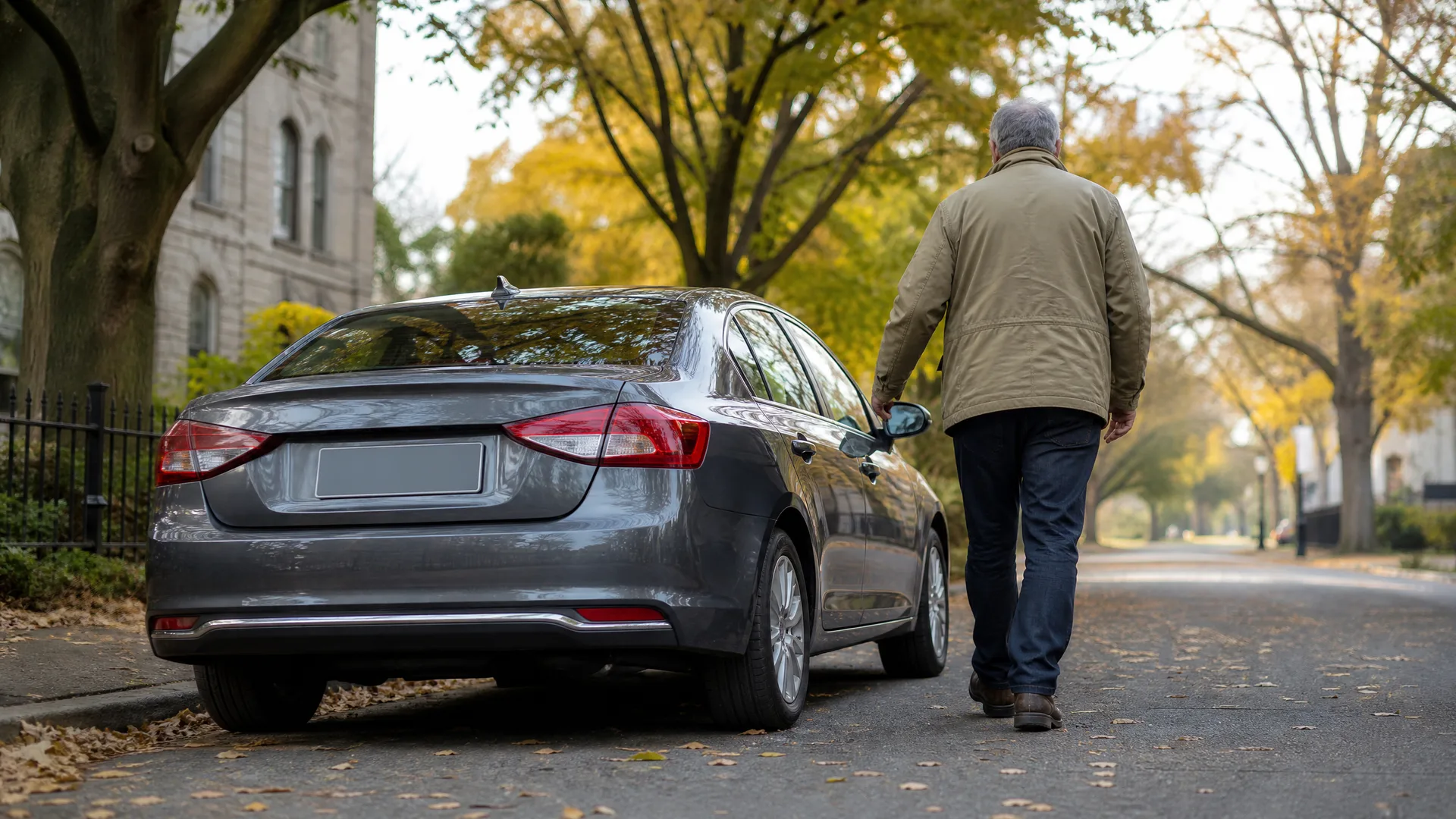
An accident rarely sits on your record alone. If you have a ticket, another claim, or a lapse in coverage from around the same period, your rate reflects all of it together. One item clearing doesn't mean the total goes back to what it was before any of it happened.
Your insurer also looks at how long you've been with them and whether you've had any claims since. A long claim-free stretch after the accident works in your favor independent of the accident itself falling off. So the drop you see at renewal might be doing two jobs at once, rewarding the clean years and removing the old penalty.
If your rate doesn't move the way you expected, ask your insurer directly what's still factoring into your premium. They can tell you what's on file and what weight it carries, which is more useful than guessing from the outside.
Questions people ask about this
How long does an accident stay on my insurance record?
That's set by your insurer's own policy, and it isn't always the same as how long it stays on your state driving record. Ask your insurer directly how many years they look back when pricing your policy, since that's the number that actually affects your rate.
Does an at-fault accident affect my rate more than a not-at-fault one?
Usually yes, since insurers price risk based on fault. A not-at-fault accident may have little or no effect on your premium depending on your insurer and your state, so it's worth asking how they classified the claim if you're unsure.
Will my rate go back to exactly what it was before the accident?
Not necessarily. Rates change for a lot of reasons beyond one accident, including your insurer's overall pricing, your location, and your vehicle. The accident falling off removes one factor, but it doesn't reset everything else to where it was before.
Should I shop around once the accident falls off my record?
It's a reasonable time to check, since a fresh quote reflects your current record rather than carrying over your prior insurer's pricing history with you. Comparing what other insurers would charge now can show you whether your current rate still makes sense.
Does taking a defensive driving course help after an accident ages off?
It can lower your rate independently of the accident, but only if your insurer offers that discount and you send them proof of completion. Ask your insurer whether they recognize the course and what they need from you to apply it.
See what other insurers would charge you now that the accident is behind you.
Pull up your most recent declarations page and check the date your current accident is expected to age off. Call your insurer and ask directly whether that accident is still factoring into your premium, since their internal timeline doesn't always match your state's record. Ask them what else, if anything, is affecting your rate right now. If the answer suggests your rate won't change much, or you're simply curious, get a few quotes from other insurers to see how they'd price your record today. Have your driving history and current policy details on hand before you call or request quotes, since that will make the comparison accurate.