How to Deal with Insurance Assessors
Be factual, be prepared, and let the assessor's report speak for the damage, not your opinion of what it should cost.
Free to compare
Stick to facts, documents, and patience
An assessor's job is to look at the damage and work out what it will cost to put right. Your job is to make that easy for them. Have your documents ready, point out the damage clearly, and answer what they ask without guessing at things you don't know.
Most disputes with assessors happen when someone argues with the number before they understand how it was reached. Ask how they arrived at a figure before you push back on it. If something seems wrong, such as damage that was missed, say so plainly and ask them to look again.
Whether you're dealing with your own insurer or the other driver's
If you're claiming on your own policy, the assessor works for the company you've paid for years, and you can usually call your agent if something feels off. If you're dealing with the other driver's insurer after an accident that wasn't your fault, the assessor works for them, not you, and their job includes keeping that company's payout as low as the damage allows.
In that second case, it helps to get your own estimate from a repair shop you trust before you agree to anything. You don't have to accept the first number an assessor gives you, especially one from an insurer that isn't yours.
Either way, ask who the assessor represents before the visit. That one fact changes how much you should take their first number as final.

What you have ready when they arrive
Photos taken right after the damage happened, before anything was moved or repaired, carry more weight than photos taken later. Keep the police report if there was one, any repair estimates you've already gotten, and a written note of what happened while it's still fresh.
Walk the assessor through the damage in order, not all at once. Point out anything that might not be obvious, like a sound the car makes now that it didn't before, or a part that looks fine but was in the path of the impact.
Don't speculate about cost or fault when you talk to them. Describe what happened and what you see. Let the assessor's report and your own documents do the rest of the work.
Questions people ask about this
Can I refuse the assessor's estimate?
Yes, you can ask for a second opinion or a reinspection if you think the estimate is wrong. Get a written estimate from a repair shop and bring it to your insurer or the other company's claims department. Most insurers have a process for disputing an estimate, so ask what it is.
Should I get my own repair estimate before the assessor comes?
It can help, especially if the claim is with another driver's insurer rather than your own. Having an independent estimate gives you something to compare the assessor's number against, and it shows you've done your own homework on the cost.
Do I have to let the assessor inspect my car in person?
Most claims require some kind of inspection, whether in person or through photos you submit. Ask your insurer what format they use, since some now handle smaller claims entirely through photos and video.
What if the assessor says the damage isn't covered?
Ask them to point to the specific policy language they're relying on. Coverage decisions come from the policy terms, not from the assessor's judgment alone, so if something seems wrong, ask your agent or the claims department to review it.
How long does an insurance assessment usually take?
It depends on the insurer, the complexity of the damage, and whether a reinspection is needed. Ask for a timeline when the assessor visits so you know when to expect a decision and can follow up if it runs long.
If a claim or a renewal has you rethinking your coverage, see what other insurers would charge for the same driver and car.
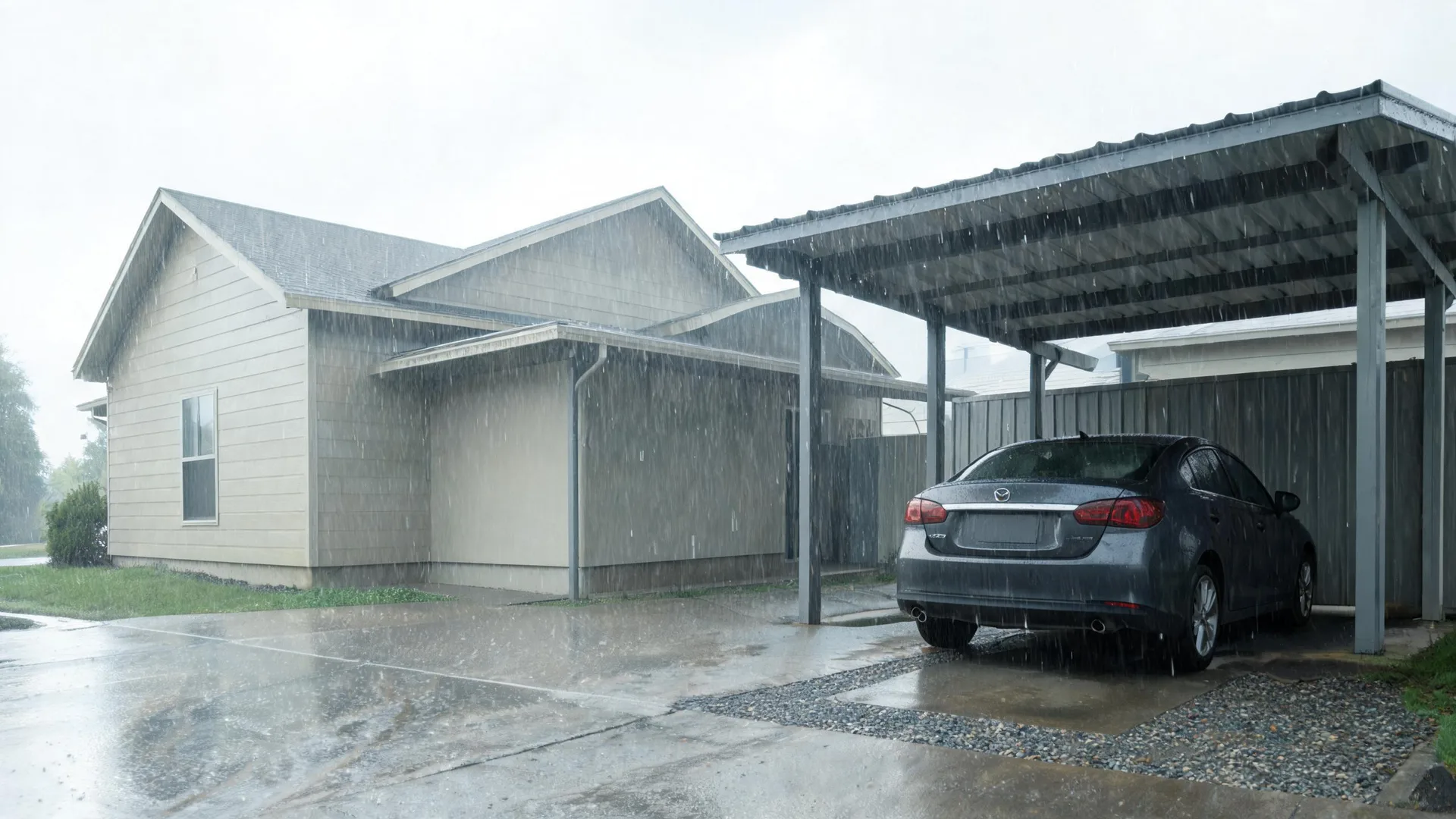
Before the assessor arrives, gather your photos, any police report, and prior repair estimates in one place. Ask up front who the assessor works for, since that changes how much weight to give their first number. Walk them through the damage calmly and point out anything they might miss. If the estimate seems low, get a second opinion from a repair shop and ask your insurer how to dispute it. Keep a written note of every call and name, since claims that drag on are easier to follow up on with a clear record.