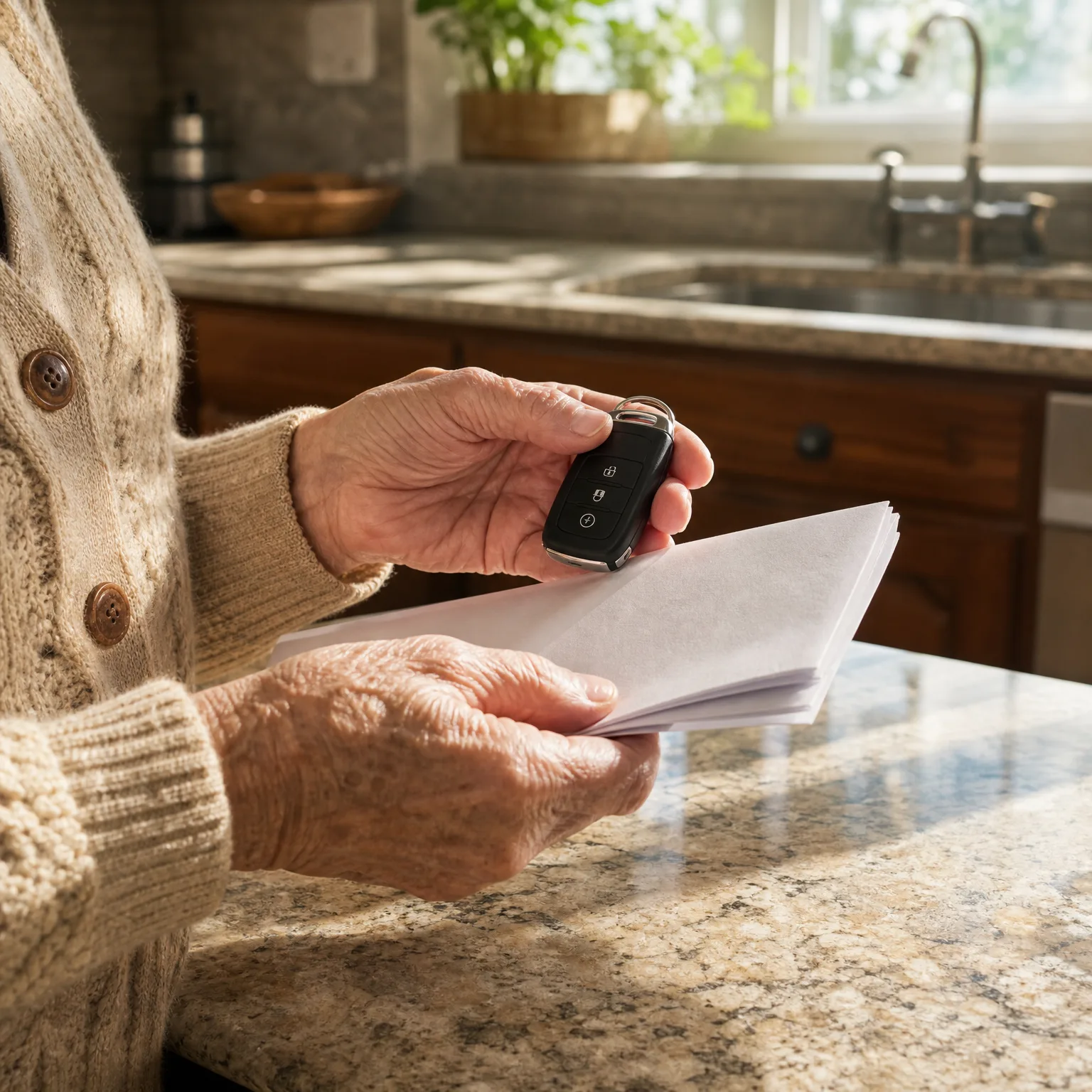
What Should You Do After a Minor Accident
Stop the car, check on everyone involved, document what happened, and then decide whether filing a claim makes sense for you.
Free to compare
Handle the scene first, the claim second
After a minor accident, the order of things matters. Make sure everyone is safe and move the cars out of traffic if you can. Exchange names, phone numbers, addresses, insurance information, and license plate numbers with the other driver. Take photos of both cars, the road, and anything that shows how the accident happened.
Once that's done, you have a separate decision to make, which is whether to report it to your insurer and whether to file a claim. Those aren't the same thing, and neither has to happen at the scene. What you do in the following days depends on how much damage there is, whether anyone was hurt, and what your policy requires you to report.
Whether you're required to report it
Most policies require you to tell your insurer about any accident, even a minor one, even if you don't plan to file a claim. This is usually in the fine print under your duties after a loss. If you skip this step and the other driver reports it, or later files a claim against you, your insurer can find out you knew and didn't say anything, and that can affect how they handle your claim or your policy.
Separately, many states require you to report an accident to the police or the DMV if it passes a certain threshold of damage or injury. That threshold is set by your state, not by your insurer, so check your state's rules or ask a police officer at the scene whether a report is needed.
Telling your insurer doesn't mean you're filing a claim yet. You can report the accident and still decide not to pursue a claim once you know the cost of repairs.
Whether filing a claim is worth it
For truly minor damage, some drivers choose to pay out of pocket rather than file a claim, especially if the repair cost is close to or below their deductible. A claim on your record can affect your premium at your next renewal, and an insurer can weigh accident history even when you weren't at fault, depending on your state and your insurer's rules.
Before deciding, get an actual repair estimate rather than guessing at the cost. If the other driver was at fault, their insurer may be the one paying, which changes the math for you. Ask your own insurer how a claim like this one would likely affect your policy before you decide either way, since they can tell you how their rules work even if they can't predict the exact outcome.
Questions people ask about this
Do I need to call the police for a minor accident?
It depends on your state and how much damage there is. Many states set a dollar threshold or require a report whenever there's an injury, regardless of how small the damage looks. Check your state's requirement or ask the responding officer, since what counts as reportable isn't the same everywhere.
Should I give a recorded statement to the other driver's insurer?
You're not obligated to give a recorded statement to someone else's insurance company. You can speak with them to exchange basic facts, but consider waiting until you've talked to your own insurer or an attorney before giving a detailed recorded account, since anything you say can be used in how they evaluate the claim.
Will my rate go up if I don't file a claim?
If you never file a claim and your insurer has no record of the accident beyond what you reported, it typically won't affect your rate the way a paid claim would. But if you did report it as required, some insurers still consider it when the policy renews, even without a payout. Ask your insurer how they treat a reported but unfiled accident.
What if the other driver doesn't want to involve insurance?
You can still exchange information and decide later, but be cautious about agreeing to handle everything privately without documentation. If damage turns out to be worse than it looked, or the other driver changes their story, having photos, a police report if one exists, and contact information protects you either way.
How long do I have to file a claim after an accident?
This is set by your insurer's policy terms and sometimes by state law, so the window isn't the same for everyone. Check your policy documents or ask your insurer directly what the deadline is, and don't wait until the last moment, since delays can make a claim harder to support.
If this accident has you wondering whether your current policy and rate still make sense, it's worth seeing what else is out there.
This week, pull your policy and read the section on reporting accidents, so you know exactly what your insurer requires. Call your insurer, even if you don't plan to file a claim, and ask how a reported accident like yours could affect your premium at renewal. Get a repair estimate before deciding whether to pay out of pocket or file. Keep the photos, the other driver's information, and any police report together in one place in case anything comes up later.