What to Do in a Minor Car Accident with No Damage
Exchange information and write down what happened, even if the cars look fine, because damage and injuries don't always show up right away.
Free to compare
Stop, exchange information, and document the scene
Pull over, check that everyone is all right, and exchange names, phone numbers, insurance information, and license plates with the other driver, even if neither car shows a mark. Take a few photos of both vehicles and where they're parked. Write down the time and location while it's fresh.
This holds regardless of how minor it looked. Some damage shows up hours later, and some injuries do too. Having the other driver's information means you're not stuck if that happens.
Whether you have to report it depends on your state
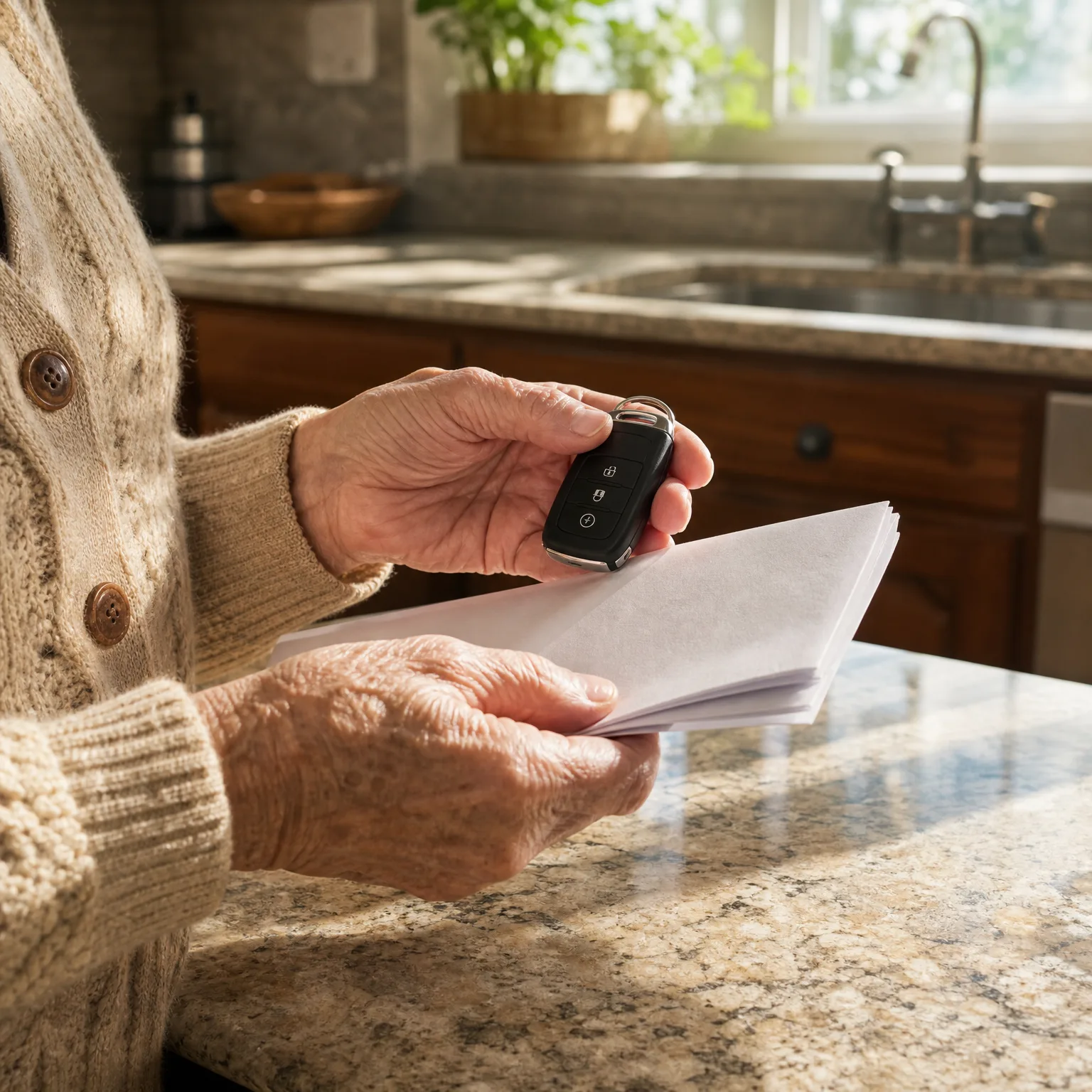
Some states require a police report any time there's a crash, no matter how small. Others only require it above a certain amount of damage or if someone is hurt. Since there's no damage here, it may not meet the threshold where you live, but you won't know for certain unless you check your state's rule.
If you're not sure, calling the non-emergency police line and asking is a reasonable step. An officer can also tell you whether they'll come out for a crash with no visible damage, which some departments won't do.
Even if a report isn't required, having one on file can help later if the other driver changes their story or damage turns up after the fact. It costs you a little time now to avoid an argument about what happened months from now.
Whether to call your insurer is a separate question from fault
You're not required to call your insurer just because you were in an accident, but most policies ask you to report accidents within a certain timeframe, whether or not you plan to file a claim. Check your policy or ask your agent what your policy requires.
Reporting it isn't the same as filing a claim. You can let your insurer know a minor accident happened and decide later whether to claim anything, especially if damage appears afterward.
If the other driver seems to want to handle it without involving insurance, be careful. Verbal agreements don't hold up if they change their mind later, and you have no record of what was agreed to. Get it in writing, or just report it normally.
Questions people ask about this
Do I need to call the police if there's no damage?
It depends on your state's reporting rules and sometimes on whether the responding department will send an officer for a crash with no visible damage. Ask the non-emergency line directly. If they won't come out, ask what they recommend instead.
Will my rate go up if I report an accident with no damage?
That depends on your insurer and whether a claim is ever filed, not just whether the accident is reported. Reporting an incident without filing a claim is treated differently by different companies, so ask your insurer how they handle it.
Should I get a repair estimate even if I don't see damage?
It's worth having a mechanic or body shop look at the car if you heard or felt an impact, since some damage isn't visible from the outside. This matters more for anything involving the frame, suspension, or sensors in newer cars.
What if the other driver doesn't want to exchange information?
Try to get their plate number and a photo of their car if they drive off, and call the police to report it. Some states treat leaving the scene without exchanging information as a separate offense, regardless of fault.
Can the other driver file a claim later if there's no damage now?
Yes, if damage or an injury shows up after the fact, they can still file a claim, which is why documentation at the scene matters even when everything looks fine.
If this accident affects what you pay, it helps to see what other insurers would charge before you renew.
Write down everything you remember while it's fresh, including the time, location, and what the other driver said. Check your state's reporting threshold so you know whether a police report is required. Call your insurer's claims line to ask what reporting an incident without filing a claim involves, since that's different from making a claim. Keep the other driver's information and your photos somewhere you can find them for a few months. If anything about the car feels off, even a sound or a pull in the steering, get it looked at before you decide this is really nothing.