
Does Premium Go Up After Accident
Most insurers raise your rate after an at-fault accident, but how much and for how long depends on your insurer and your record before the crash.
Free to compare
Yes, if the accident was your fault
An at-fault accident usually raises your premium at your next renewal. The insurer sees it as a sign you're more likely to file another claim, and they price your policy to match that risk.
If the accident wasn't your fault, many insurers won't raise your rate for it, though this isn't true everywhere and some insurers look at any claim on your record regardless of fault. A clean record before the accident also matters. Drivers with years of no claims often see a smaller increase than someone who already had a violation or claim on file.
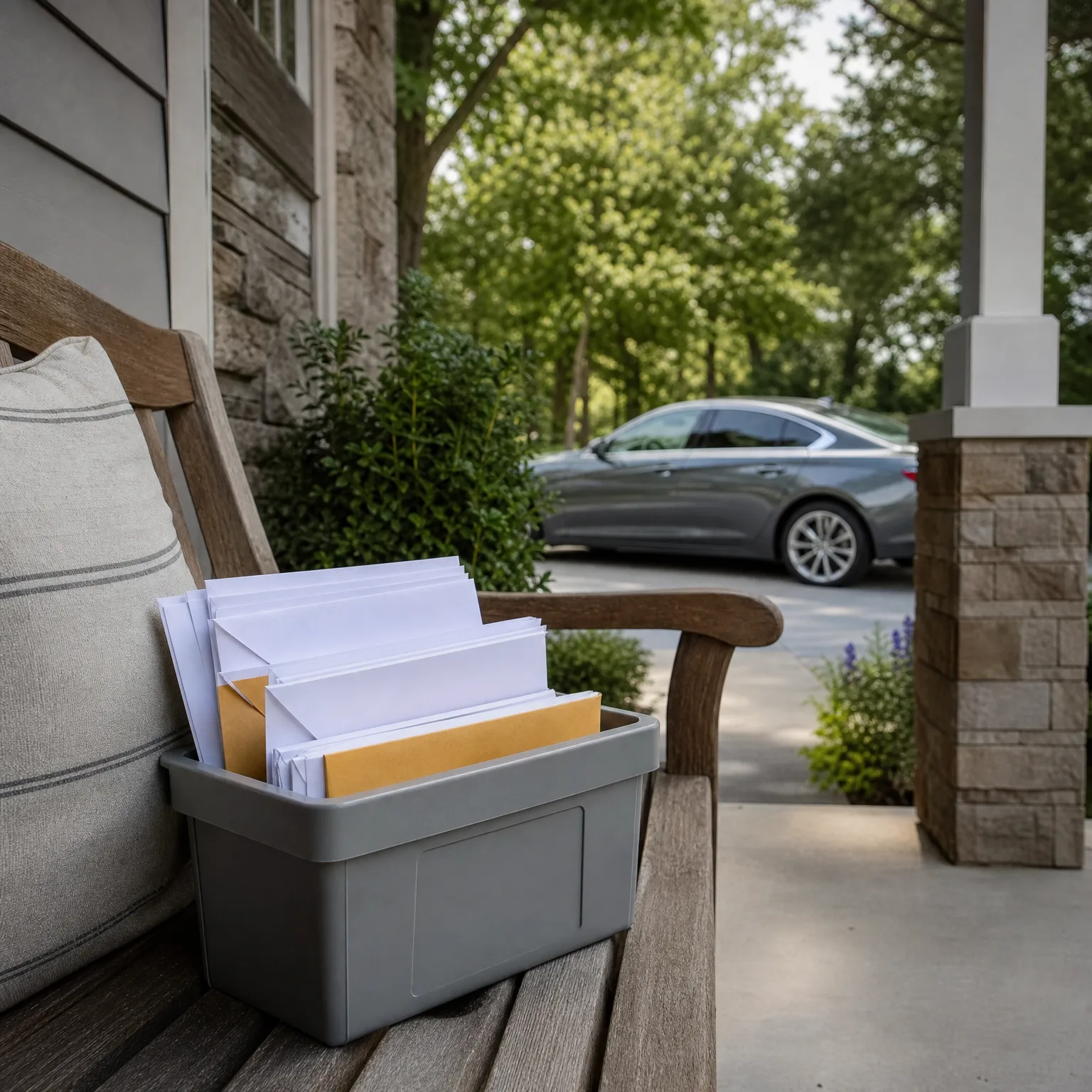
Your insurer decides how much and for how long
Every insurer has its own rules for how an at-fault accident affects your rate. Some raise it sharply at the next renewal and let it fade over a few years. Others spread a smaller increase across several renewals. There's no single answer that applies to every company, so the same accident can cost two drivers very different amounts depending on who they're insured with.
Some insurers offer accident forgiveness, where your first at-fault accident doesn't raise your rate at all. This usually has to be earned through years of clean driving or added as a policy feature, and the rules for who qualifies vary by insurer. If you're not sure whether you have it, your policy documents or your agent can tell you.
The size of the claim matters too. An insurer that pays out a large amount for injuries or damage generally sees that as more costly risk than a minor fender bender, and prices accordingly.
If your rate goes up more than you expected, ask your insurer directly how long the increase will stay on your policy and what would bring it back down.
What drivers get wrong about how long it lasts
Many drivers assume the increase disappears as soon as the accident is a few years old, but insurers don't all use the same lookback period. Some reduce the surcharge gradually each year you stay accident-free, others keep it flat until a set point, then drop it all at once. Ask your insurer directly how they handle it rather than assuming it works the way a past policy or a friend's policy did.
Another thing people miss is that the accident can also affect your eligibility for certain discounts, even separately from the base rate increase. A safe driver discount, for example, may require a clean record over a period of time, and one at-fault accident can reset that clock.
It's also easy to assume a quote from a new insurer will ignore the accident, since it's not on their records yet. In practice, insurers ask about your accident history when you apply and will price the policy accordingly, so shopping around doesn't erase the accident, it just gives you a chance to find an insurer whose rules are less costly for your situation.
Questions people ask about this
How long does an accident stay on my insurance record?
This depends on the insurer, since each one sets its own lookback period for how long an accident affects your rate. Your state's DMV or driving record may show the accident for a different length of time than your insurer uses for pricing. Ask your insurer directly how long they count it against you.
Will my rate go back down after a few years without another accident?
For many insurers, yes, the surcharge tied to the accident is reduced or removed once enough time passes with a clean record. The exact timing and whether it happens gradually or all at once depends on the insurer, so ask them what their policy is.
Does a minor accident raise my rate as much as a serious one?
Usually not. Insurers generally price the increase based on how much they paid out in claims, so a larger payout for injuries or major damage tends to raise your rate more than a small fender bender.
Can I avoid a rate increase by paying for the damage myself instead of filing a claim?
If you don't file a claim, there's nothing for your insurer to raise your rate over, since they only know about accidents you report or that show up through other means like a police report. Whether paying out of pocket makes sense depends on how much the damage costs compared to what you'd pay in higher premiums, so weigh both before deciding.
Does switching insurers after an accident help lower my rate?
It might, since different insurers weigh accidents differently, but it isn't guaranteed. Every insurer you apply to will ask about your accident history and factor it into your quote, so shopping around helps you find the best price among insurers rather than erasing the accident from consideration.
See how different insurers price your record before you commit to a renewal.

Pull up your renewal notice and find the new premium next to the old one so you know exactly what changed. Call your insurer and ask them directly how long the accident will affect your rate and whether you qualify for accident forgiveness or any discount that might offset it. While you have them on the phone, ask what the accident did to your eligibility for other discounts, not just the base rate. Then compare that renewal price against quotes from a few other insurers, since they won't all treat the same accident the same way. Keep any paperwork related to the accident, including the claim number and repair costs, in case an insurer asks for details.